Search Results
916 results for “blood loss”

Canine and Feline Insulin Excess (Hyperinsulinism)
Insulin excess occurs when the pancreas releases too much insulin, driving blood sugar dangerously low. It causes weakness, wobbliness, and in severe cases seizures or collapse, and is usually managed by correcting the low sugar and treating the underlying cause.

Canine and Feline Insulin Deficiency (Diabetes Mellitus)
Diabetes mellitus develops when the pancreas cannot make enough insulin, so blood sugar stays high. It causes increased thirst and urination, weight loss, and poor appetite, and is managed with insulin therapy plus dietary and weight control.

Canine and Feline Hypoadrenocorticism (Addison’s Disease)
Hypoadrenocorticism, or Addison's disease, occurs when the adrenal glands fail to produce enough cortisol and aldosterone. It causes vague signs such as lethargy, vomiting, diarrhea, and poor appetite, and acute crises can be life-threatening without prompt treatment.

Canine and Feline Hyperadrenocorticism (Cushing’s Syndrome)
Hyperadrenocorticism, or Cushing's disease, is an endocrine disorder in which the adrenal glands overproduce cortisol, most often because of a pituitary tumor. It causes increased thirst and urination, a ravenous appetite, muscle wasting, a pot-bellied appearance, and symmetric hair loss, and usually requires lifelong management.

Hypoparathyroidism in Dogs and Cats
Hypoparathyroidism is low parathyroid hormone from parathyroid injury that causes severe low blood calcium and neuromuscular hyperexcitability: muscle tremors, ataxia, and seizures. Correcting calcium with calcium and vitamin D is the mainstay of treatment.

Hypothyroidism in Dogs and Cats
Hypothyroidism is reduced thyroid hormone from thyroiditis or tumor that slows metabolism, causing lethargy, weight gain, hair loss, and cold intolerance, sometimes with nerve signs. Lifelong thyroid-hormone replacement is the treatment.

Hyperthyroidism in Dogs and Cats
Hyperthyroidism is excess thyroid hormone from a thyroid tumor or hyperplasia that raises metabolism and nerve excitability. It causes weight loss with increased appetite, a fast or irregular heartbeat, and hyperactivity, and is managed with antithyroid drugs, radioactive iodine, or surgery.

Myelitis and Meningomyelitis in Dogs and Cats
Myelitis and meningomyelitis are inflammations of the spinal cord and its surrounding membranes, often secondary to infection or trauma. They cause fever, pain, and progressive weakness or paralysis, and treatment must eliminate the underlying cause while controlling inflammation.

Spinal Cord Compression in Dogs and Cats
Spinal cord compression occurs when a mass, displaced vertebra, bulging disc, or migrating parasite presses on the spinal cord, causing pain, weakness, and eventually paralysis. Small breeds such as Pekingese, French Bulldogs, and Dachshunds are especially prone, and timely treatment of the underlying cause is essential.
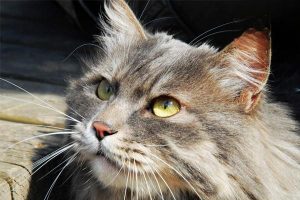
Hepatic Encephalopathy in Dogs and Cats
Hepatic encephalopathy is a neurological syndrome in dogs and cats caused by liver dysfunction that allows toxic metabolites such as ammonia to reach the brain. It produces recurring signs ranging from lethargy and ataxia to seizures, circling, and coma, and is often triggered by high-protein meals, gastrointestinal bleeding, or dehydration.