Search Results
916 results for “blood loss”

8 Plants You Must Never Keep With a Cat
Cats are endlessly curious and will sneak a taste of houseplants, but many common flowers are toxic—ranging from vomiting and drooling to liver failure and death. This list covers eight dangerous plants, their toxic agents, and symptoms: hyacinth, carnation, tulip, chrysanthemum, hydrangea, lily (extremely poisonous), pothos/umbrella tree, and lucky bamboo. If your cat eats one, bring the plant to the vet for correct identification, and keep toxic plants well out of reach.
How to Supplement Vitamin B for Your Cat
Vitamin B deficiency in cats frequently appears as skin trouble—especially ringworm—along with a dull coat, weight loss, and loss of appetite, and in serious cases it can progress to eye and nerve problems. Because cats cannot store or synthesize enough B vitamins on their own, daily diet matters. This guide covers the warning signs of deficiency, why human B supplements are a poor fit for cats, and safe ways to meet their needs: B-rich cat food, small amounts of fruit, thorough drying after baths, regular disinfection of bedding and surroundings, and sunlight to help keep skin healthy.

Cat Vomiting After Every Meal: What to Do
When a cat throws up everything it eats, the cause may be a gut blockage from a swallowed object or hairballs, organ disease in adults, or acute gastroenteritis from bad food, parasites, or infection. Get a vet check first, bloodwork, fecal, and imaging pinpoint the cause. If a clinic isn't possible immediately, fast 4-6 hours, then a vet-prescribed gut antibiotic and anti-emetic can ease pain and protect the gut lining; hairball paste and probiotics help if it's just hairballs or a partial blockage. Untreated, frequent vomiting leads to dehydration and worse.

Treating Hookworm Infection in Dogs
Hookworm disease in dogs is caused by the dog hookworm (Ancylostoma) and the narrow-head hookworm (Uncinaria). These small parasites latch onto the intestinal wall and feed on blood; severe infection causes pale mucous membranes, weight loss, a rough coat, poor appetite, vomiting, and alternating diarrhea and constipation with bloody, tarry, foul stools. In puppies, skin invasion causes inflammation, and infection in 3-week-old pups can cause fatal anemia. Treatment starts with deworming—an injectable antiparasitic against hookworms, with pyrantel or levamisole also used for killing—and severe cases need supportive care such as iron supplements or a transfusion for anemia.
How can I feed garlic to my dog?
A small amount of cooked garlic is acceptable — steam and mash it, feed sparingly, and never overfeed to avoid poisoning and acute anemia. Garlic is rich in carotene, vitamin B, protein, and trace elements that support immunity, but never feed scallions, onions, or chives, which cause acute hemolytic anemia.
What happens if a dog doesn’t eat salt?
A long-term lack of salt causes electrolyte imbalance in dogs — muscle weakness, stunted growth, weight loss, and poor appetite, and in severe cases pica (eating plaster, grass, or dirt). Salt is essential and is added to commercial food, but too much causes shedding, tear stains, high blood pressure, and even salt poisoning, so homemade diets need a small amount added.
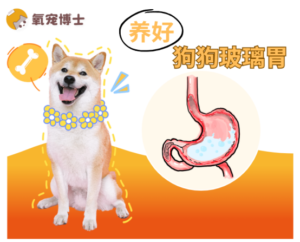
How to Care for a Dog with a Sensitive Stomach
A weak gut hurts more than digestion—it drags down nutrient uptake and immunity. Causes range from sudden diet changes and parasites to infection, chronic gut disease, and stress. The fix is a gentle, single-source diet on a fixed schedule, a careful transition to new food, light toppers like pumpkin or boiled chicken, and pet probiotics. Keep the belly warm and add gentle exercise; see a vet for persistent vomiting, blood, or lethargy.
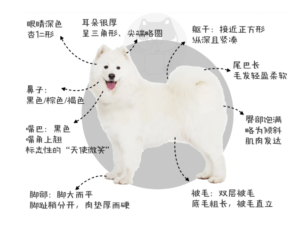
The Samoyed: A ‘Smiling Angel’—but Think Twice Before You Commit
The Samoyed's famous 'smile' is real, and so is its friendliness, trainability, and adaptability. But this breed sheds heavily, needs daily exercise, has a sensitive stomach, and shows its share of health issues—tear stains, dermatitis, heatstroke, obesity, and hip dysplasia. Before you fall for the looks, weigh the work it takes to keep one happy and healthy.

How Long Does a Cat Stay in Heat? A Complete Guide
A queen in heat usually cycles for 3–6 days, while a male stays reactive for 7–10 days, often triggered by nearby females. Cats are seasonal, repeat breeders driven by daylight, peaking in spring and autumn. If a cat stays in heat beyond three weeks with abnormal discharge, it may signal cysts or infection—time for a vet visit. Spaying remains the most reliable fix.
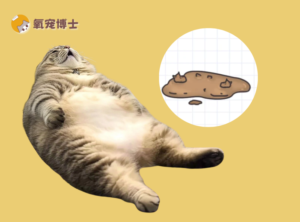
Cat Has Chronic Diarrhea? It’s More Than a Sensitive Stomach
Long-term diarrhea in cats is rarely just a 'delicate stomach' you can fix by swapping food or adding probiotics. Diet and food allergy are common, but so are parasites (some needing specific drugs), inflammatory bowel disease, and metabolic diseases like pancreatitis, hyperthyroidism, or kidney disease. Stress is a third driver. Work through the causes step by step and let a vet run the right tests.