Search Results
916 results for “blood loss”

Why Pets Gain Weight After Spaying or Neutering
An intact cat's base metabolic rate is about 30 percent higher than a neutered cat's, so the same food leads to faster weight gain after the procedure. Obesity raises the risk of heart disease, diabetes, high blood pressure, arthritis, fatty liver, and more. The fix is diet and exercise: feed timed, smaller, high-protein low-fat meals, drop the treats, and keep moving, with low-impact activity like swimming for joint-prone breeds.

What Happens When Dogs Eat Unevenly?
Feeding a dog unevenly, with stretches of hunger followed by overeating, harms its health and happiness. A dog's digestive system needs steady nourishment; frequent starvation and binging strain it, causing indigestion, vomiting, or diarrhea. Long-term nutrient gaps can slow development, weaken immunity, and invite chronic disease, while the starve-binge cycle destabilizes weight. To keep a dog healthy, feed on a consistent schedule, keep portions balanced, and always provide fresh water.

How to Give Your Cat Vitamin B
Ringworm often strikes weak, underfed cats and can stem from vitamin B lack, which also causes weight loss, hair loss, and serious nerve and eye damage. Use cat-specific B vitamins, not human ones they can't absorb, and feed B-rich food and fruit. After baths, dry fully, and disinfect the environment to stop ringworm spread.

How to Care for a Red-Eared Slider (Brazilian Turtle)
Red-eared sliders, often called Brazilian turtles, are inexpensive and hardy, which makes them a popular first pet turtle. But like any reptile, they need the right setup to stay healthy. Provide a spacious aquarium or tub so the turtle can swim freely, keep the water between 20 and 30 degrees Celsius with a heater, and add a basking platform or dry land where it can climb out to warm up and rest. Without natural sunlight, use a UVB lamp to support calcium absorption and shell development. Change the water regularly and keep the substrate clean to prevent infection. Feed a balanced omnivorous diet of vegetables, fruit, insects, and quality pellets, with calcium and vitamin supplements. With consistent care, your turtle can thrive for years.

How to Tell If Your Cat or Dog Has Glaucoma
Glaucoma is a common eye disease in cats and dogs where blocked fluid drainage raises eye pressure, damages the optic nerve, and can end in blindness. It always comes with high eye pressure. Signs include a cloudy or enlarged eye, a fixed dilated pupil, vision loss, redness, and head pressing. Diagnosis uses eye-pressure and fundus exams, and treatment ranges from pressure-lowering drugs to, in severe pain, removal of the eye.

What Is Storage Disease in Dogs?
Storage disease is a hereditary metabolic disorder where certain substances build up abnormally in the body's tissues. The two most reported forms in veterinary medicine are lysosomal storage disease and glycogen storage disease. It strikes dogs and cats, is very rare, and appears early in puppies and kittens because it is inherited. Nerve-related signs include poor growth, ataxia, seizures, exercise intolerance, behavior changes, and vision loss. Diagnosis uses blood, urine, imaging, biopsy, and enzyme tests; care is supportive, and affected dogs should never be bred.

Understanding Hypothyroidism in Cats
Feline hypothyroidism means the thyroid gland in the neck does not make enough hormone, slowing the whole body's metabolism. Signs include low energy, poor cold tolerance, slow wound healing, fragile skin, hair loss, weight gain, high blood fat, and anemia. It is an autoimmune disease, hard to prevent, and usually lifelong, managed with daily thyroid hormone pills. It is very rare in cats but common in dogs, and often appears with age.
What Is Uveitis in Cats?
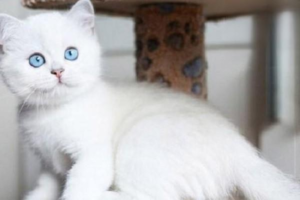
Uveitis is inflammation of the uvea, the middle layer of the eye, and it can be painful and watery for the cat. Most cases are not from a clear single cause; some stem from eye problems, others from disease elsewhere in the body. Because uveitis can lead to glaucoma and even blindness, it should never be ignored. A slit-lamp and eye-pressure exam confirm it, and treatment usually means anti-inflammatory eye drops. If no underlying illness is found, the outlook is good.

What Is Diabetes in Cats?
Feline diabetes develops when a cat's body makes too little insulin or responds poorly to it. Without enough insulin, excess sugar spills into the urine and cells starve, sometimes producing toxic ketones. Signs include ravenous appetite with weight loss, dull coat, excessive drinking and urination, and sweet-smelling urine. Diagnosis uses blood and urine tests, while treatment centers on insulin injections, lifelong in most cases. With careful monitoring, diabetic cats can live comfortably for years.

Common Everyday Cat Illnesses (Part 2)
Five more common cat conditions: (1) Panleukopenia (feline distemper) — a fierce, contagious viral disease hitting gut and airways; fever, bloody diarrhea, lethargy, dehydration; high death rate in under-8-week kittens, so vaccinate and rush to a vet at the first sign (lice, mites, fleas can spread it). (2) Cancer — rarer than in dogs but cats hide pain; watch for lumps, non-healing skin infections, weight loss, vomiting, odd urination. (3) Kidney disease — common in seniors; low appetite, weight drop, vomiting, lethargy; needs dialysis or transplant when severe. (4) Fractures — from falls; sudden limping or hiding. (5) Poisoning — from human food or toxic plants; repeated vomiting/diarrhea, blood in stool/urine; vets give fluids and anti-emetics. Don't rely on self-healing—use a trusted clinic.