Search Results
47 results for “blocked tear duct”
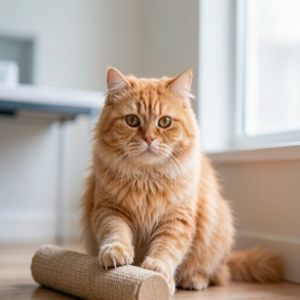
Why Does Your Persian Cat Keep Tearing Up
Persistent tearing in Persian (Exotic) cats can have several causes. Their short nasal passages and shallow eye sockets make mild tearing normal, but blocked tear ducts, structural gland issues, conjunctivitis, keratitis, injury, or foreign particles can all increase eye discharge. Diet also plays a role: salty food and low water intake lead to internal heat and heavy tear staining. If tearing continues or comes with redness, fever, poor appetite, vomiting, or diarrhea, see a veterinarian for diagnosis and treatment.
Cat and Dog Tear Stains: Understanding the Causes and Managing Them at Home
Tear stains are a common frustration for owners of flat-faced breeds and many other cats and dogs. They are rarely a single mystery illness; instead they usually trace back to blocked tear ducts, ear problems, allergies, or diet. The right fix depends entirely on the underlying cause. This guide walks through the main reasons pets develop reddish-brown staining, what each pattern looks like, and the at-home steps—gentle cleaning, ear checks, allergy control, and diet tweaks—that keep stains from returning. Knowing the cause is the first step to clearer, healthier eyes.
Why does my cat always tear up and have eye discharge?
Causes include heat, blocked tear ducts or liver disease; flat-faced breeds like Persians are prone. Clean the face with cat eye solution and switch to a lower-salt diet if diet-related.
Why Your Dog Has Tear Staining and Eye Discharge
A healthy dog's eyes are bright with little or no tearing or crust. When discharge increases, it is time to check the eyes, and a careful owner may reach for eye drops. The causes run from simple irritation to structural and whole-body disease, so the pattern of the discharge matters.
Why Dogs Get Tear Stains and Dirty Fur Around the Eyes
Dog eyes connect to the nose, so when the nasolacrimal duct is blocked or swollen by inflammation, tears cannot drain or evaporate and spill out. Tear stains form when tears and other eye discharge sit uncleaned on the fur and oxidize into dark marks - most visible on light-colored coats. Causes split into innate (flat-faced breeds like Pugs, Bulldogs, Exotic and Persian cats have tight ducts), disease (ear infection, entropion, dacryoadenitis, conjunctivitis), and habits (salty food, overlong fur poking the eye). Clean gently with a boric-acid cotton ball or cool water from the inner corner outward, then apply eye drops; genetic stains need patient, regular care.
Why Does Your Cat Have Heavy Tear Stains?
Those dark streaks under a cat's eyes are more than cosmetic; they signal an underlying issue. Tear staining can come from structural problems like ingrown lashes and blocked ducts, from infections and parasites such as eye disease, ear mites, or eye worms, or simply from a salty diet. Understanding the cause is the first step to clearing the stains and keeping your cat comfortable.
Why Does My Rabbit Keep Tearing Up?
Rabbits that constantly tear up may be reacting to simple irritants, eye infections, blocked tear ducts, dental disease, or even congenital eye conditions. Because persistent tearing can signal discomfort or an underlying problem, owners should keep the eye area clean, maintain a hygienic habitat, and ensure a balanced diet. If the tearing worsens or appears with redness, discharge, swelling, or loss of appetite, a veterinary exam is essential. This article covers the common causes and the practical home care steps you can take to keep your rabbit comfortable and healthy.
Dealing with Cat Tear Stains
Tear overflow (epiphora) happens when tears overproduce or the nasolacrimal duct blocks, spilling onto the fur. The reddish-brown stain comes from porphyrin—an iron waste in tears that oxidizes in air and sunlight. Common causes: too much salt (human food, salty kibble), 'heat', ear infections that stimulate tearing, duct blockage, entropion (inward lashes), dacryoadenitis, and feline herpes (tears plus nasal discharge—watch unvaccinated cats). Genetics play a role too. Cut salty food and see a vet to find the true cause.
Why Does My Dog Have Bad Tear Stains?
Tear stains form when tears (water plus salts and protein) evaporate and leave dark-brown marks—and they can signal health trouble, not just looks. Causes: poor eye cleaning (dust, smoke irritation), ingrown eyelashes from eyelid inward-rolling (needs vet care), unclean ears (mites or bacteria stimulate tear glands), and oily or salty food (switch to low-salt natural kibble and more water). Some breeds (Pekingese, Chihuahua, Pug) have genetic over-tearing from bulging eyes; severe cases may need a tear-duct opening surgery. Disease (blocked ducts, tear-gland inflammation) needs a vet. Daily: gentle cleaning, trim surrounding hair, light eye massage a few times a week, and a bland diet.
What medicine helps my dog’s tear stains heal faster?
Tear stains have different causes — blocked tear ducts, conjunctivitis, keratitis — so there is no single 'pill' that fixes them. Massage the tear glands, use an eye-care gel, and for inflammation use pet-specific antibiotic eye drops or ointment; the exact treatment depends on the diagnosed cause.