Search Results
95 results for “blocked nose”

Why Is My Dog Tearing Up?
Tearing comes from a blocked tear duct, conjunctivitis, a corneal ulcer, trauma, or a foreign body — each needing a different fix. In an intact male dog that's just been out among others, a fight-related eye injury is worth checking first.
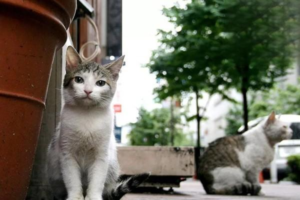
Daily Cat Care Basics
Daily cat care goes beyond the familiar bath and brush. Cover the ears (a monthly wipe with oil or ear drops), teeth (tartar builds from soft food, so plan a yearly professional scale), nails (front every 1–2 weeks, back every 3–4), eyes and nose (flat-faced breeds are prone to tear staining and blocked nostrils), and the tail and chin, where glands and 'black chin' tend to build up.

Why Dogs Cry and Tear Up
A dog's tearing usually signals discomfort — eye infection, allergy, blocked tear ducts, or just a too-salty diet that the tear glands work to flush out, leaving stains. Rule out disease with a vet check and feed a light, natural diet with veggies and egg yolk to cut the tearing.

About Feline Epiphora (Excessive Tearing)
Epiphora is abnormal tear overflow, caused either by blocked drainage through the nasolacrimal system or by excessive tear production beyond what drainage can handle.

Feline Lower Urinary Tract Disease (FLUTD): Causes, Signs and Treatment
Feline lower urinary tract syndrome (FLUTD) is divided into obstructive and non-obstructive types. Obstructive means the urethra is fully or partially blocked. Within 2–3 days of complete blockage, urine retained in the bladder flows backward to the kidneys; this back-pressure suppresses glomerular filtration, causing waste and toxins to accumulate in the blood and leading to uremia. If not treated within 3–6 days, the cat can die. The non-obstructive type is milder; with prompt catheterization and proper daily care, it largely resolves on its own within a week.

The Effects of Atropine on Cats and Dogs
Atropine is commonly used to block the effect of certain nervous-system impulses (acetylcholine) on receptors throughout the body. In animals such as dogs and cats, it is most often used in surgical anesthesia to prevent the adverse effects of nervous stimulation.

Do Dogs Cry Because They Are Sad?
Many have seen dogs shed tears and think the dog cries from moved or reluctant feelings. Do dogs really use tears to show emotion like humans?

Causes and Treatment of Tear Stains in Cats and Dogs
Some owners excitedly raise a 'Snow White' or 'Prince Charming', only to see it ruined by two lines of tear stains! Where is the viral pet we were promised?

What Is Intussusception in Dogs?
Intussusception is a gut condition in dogs caused by overeating, cold food, poor diet, cold water, or secondary infection and parasites. Here's how it works and how it's diagnosed.

Understanding Dog Body Language
Dogs speak with barks, ears, tails, and posture. Learning to read barking patterns, ear positions, tail wags, and behaviors like pawing or scooting helps you understand what your dog is really saying.