Search Results
95 results for “blocked nose”
What does a Husky runny nose look like?
A Husky with a runny nose has clear or yellow-green discharge and may mouth-breathe. Clear discharge with normal mood can be watched; fever or red eyes means see a vet.
My 3-year-old red-eared slider has been home for two weeks, kept in shallow water with home heating at about 23 degrees C and no heater. Now it sneezes, has a runny nose, breathes with its mouth open frequently, has white discharge at the mouth corners, and is lethargic.
These signs suggest turtle pneumonia. Isolate the turtle, keep the temperature steady around 28 degrees C, and see a vet; azithromycin or amoxicillin baths may be used at home.
What to do if a puppy’s nose keeps making puffing sounds?
Puffing is often blocked nostrils from a runny nose (a cold); give pet cold medicine and nutrition, keep warm. Short-nosed breeds puff normally and need no worry.
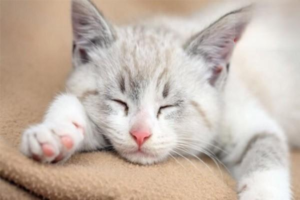
Why Cats Become Picky Eaters (and What to Do)
A 'picky' cat is often responding to something fixable: stale food, a blocked nose from a cold, a mismatch in texture, or too many treats. Store kibble sealed and dry, warm food to release aroma, learn your cat's texture preference, and wean it off treats gradually. A cat eating only dry food needs extra water to avoid urinary trouble.
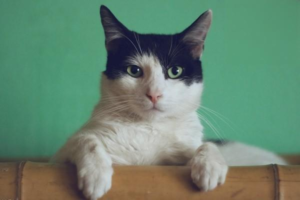
What to Do When a Cat’s Cold Leads to a Respiratory Infection
A winter cold can escalate into a serious upper respiratory infection, especially in kittens — one case took a month to recover and needed force-feeding because a blocked nose killed the appetite. Keep the cat warm but ventilated, boost immunity with nutritional paste and probiotics, skip baths, and complete the three-shot vaccine course starting at two months.

Dog Rhinitis: Symptoms and Treatment
The nose matters greatly to a dog, so a blocked nose and lost smell make signs obvious. Here are the symptoms and treatment to relieve your dog.
My cat breathes through its mouth while sleeping, sometimes coughs repeatedly like something is stuck, is lethargic, has poor appetite, sleeps constantly, and has soft diarrhea.
Mouth breathing with cough, diarrhea, and low appetite may signal panleukopenia, acute enteritis, FIP, or rhinotracheitis; mouth breathing means a blocked nose or cardiopulmonary issue. Screen for infectious disease if unvaccinated; if vaccinated, try symptomatic meds.
Kitten sneezes, and when purring it exhales through the mouth.
Sneezing and mouth-breathing suggest a blocked nose from respiratory infection. Mild now—try cold and anti-inflammatory medicine and observe. If no relief, see a vet; if breathing is hard, consider nebulization.

Treating Canine Bronchopneumonia
Canine bronchopneumonia (lobular pneumonia) brings high fever, cough, labored breathing, and thick yellow-brown nasal discharge, often following a cold or diseases such as distemper and adenovirus. Treatment combines Western medicine — anti-inflammatory, cough and asthma relief, and fluid support — with Chinese herbal formulas such as Houttuynia injection and Maxingshigan decoction, plus antibiotics like ampicillin for severe cases.
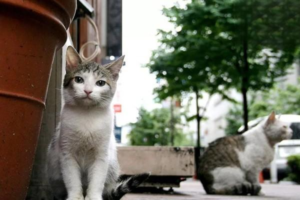
Cat Rhinotracheitis: When Your Cat Stops Eating and Drinking
Feline rhinotracheitis (cat flu) blunts a cat's appetite in stages — reduced eating mid-illness, outright refusal once it's severe — because thick nasal discharge blocks scent and therefore the urge to eat. Clear the nose and offer strong-smelling foods like tuna or salmon; if the cat still won't eat, syringe-feeding under veterinary guidance may be needed.