Search Results
58 results for “blind spot”

Warning: These Guinea Pig Body Parts Should Never Be Touched
Guinea pigs are blind behind them and easily startled, so avoid the back, rear, limbs, and belly unless the pig knows you well. They enjoy the head, chin, and behind the ears — but always let a new guinea pig settle for two or three days before handling it.
How good is a rabbit’s vision?
A rabbit's vision is unusual - it is both farsighted and nearsighted. It sees distant objects better, useful for spotting predators in the wild, but up close it becomes nearsighted at about -5 diopters. Rabbits are also color blind, seeing mostly black and white plus blue and green.
Are Guinea Pigs Intelligent?
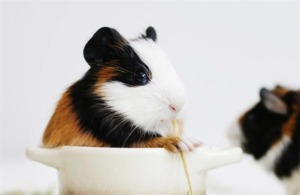
Guinea pigs are fairly smart — about the level of a 2–3-year-old child — and can learn simple tricks with training. They pass the mirror self-recognition test and can learn shapes and colors, though they sometimes act impulsively.

How Good Is a Hamster’s Vision?
Hamsters are near-sighted and see a blurred, mostly colorless world, relying instead on keen smell, hearing, and touch. Because they cannot judge distances or heights, keep their platform low and the environment calm, quiet, and free of strong scents.
Is Your Dog Always Tearful? Watch Out for Ingrown Eyelashes
An ingrown eyelash (distichiasis) curves inward and constantly rubs the cornea and conjunctiva. It's common in flat-faced breeds (Pekingese, Pug, Bulldog), long-haired breeds (Maltese, Shih Tzu), and seniors, causing chronic tearing, tear stains, conjunctivitis, keratitis, and even corneal perforation and vision loss. A few lashes can be plucked; many need electrolysis, cryotherapy, or entropion surgery.
How to Check If Your New Puppy Is Healthy
Check a new puppy in five steps: mental state (curious, not lethargic), appetite (eating within a day or two), temperature and breathing (38–39°C; over 39.5 is fever, under 37.5 hints at low sugar or shock; 20–30 breaths/min at rest), and stool/urine (formed brown, no blood or diarrhea). Also scan coat, gums, ears, eyes, and gait.

Why Do Cats Get Entropion
Entropion is when the eyelid folds inward so the lashes rub the eye, causing pain, discharge, and even corneal damage. Causes include breed conformation, spasms, sunken eyes, or injury. Surgery is the lasting fix; mild cases may be temporarily stitched.
Everyday Habits That Seriously Harm Your Dog’s Joints
Joint disease in dogs is on the rise, and beyond obesity many overlooked daily habits do real damage. Slippery floors force dogs to grip hard and risk falls; bad exercise — long runs, sharp stops, jumping from heights — wears joints down; frequent stairs overload the knees, especially in long-backed breeds like Corgis; standing on hind legs for attention strains the spine; and overfeeding accelerates cartilage loss, particularly in large breeds with hip-dysplasia risk. Cold, damp floors stiffen joints and worsen pain. Watch for early signs — stiffness after rest, reluctance to jump, hind-leg dragging, pain when touched — and support joints with glucosamine and chondroitin.

Your Dog’s Pica (Eating Non-Food) Is Simpler Than You Think
Pica is when a dog eats non-food items. Some dogs fixate on one object; others eat all sorts of strange things. It is dangerous because what they swallow usually stays in the gut undigested or disrupts digestion. Pica is not the same as eating feces—that common behavior is not classified as pica and is no cause for alarm. Causes range from simple hunger, poor nutrition, and hormonal imbalance to diabetes, thyroid disease, and even separation anxiety or stress (some breeds like Labradors are more prone). Diagnosis needs blood, stool, and urine tests, with no guarantee of an answer. Treatment depends on the cause: physical pica with digestive upset may improve by splitting two large meals into 3–4 small ones plus deworming and nutrition; psychological pica needs patient, cumulative retraining. Above all, do not blindly dose supplements—every dog's pica has a different cause.

Why Does Dog Poop Start Dry Then Turn Loose?
When a dog's stool is dry at the start and loose at the end, it means the gut absorbed water unevenly: the first part sat long and dried out, while the last part moved through too fast to dry. Common, mild causes are diet change, holding stool too long, stress, or gut-flora imbalance. Persistent cases or those with blood, vomiting, or pain can signal megacolon, colitis, or other illness and need a vet.