Search Results
24 results for “bird respiratory”
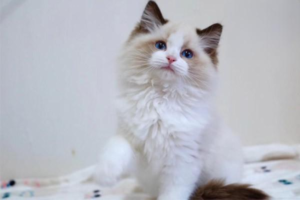
What to Do If Your Cat Has Cryptococcosis
Cryptococcosis is an environmental fungus found in soil and air, and cats often catch it by inhaling spores that travel from the lungs to the rest of the body, or through wounded skin and the mouth. Pigeons are the most important carrier, so the fungus concentrates wherever birds roost, in attics, and among decaying leaves. Signs range from skin nodules and nasal discharge to nervous-system and eye problems. Diagnosis relies on microscopy, fungal culture, X-rays, and blood tests, and oral antifungals such as ketoconazole, itraconazole, and fluconazole are the main treatment. Starting therapy early and keeping it consistent gives the best chance of recovery.

Indian Cobra
The Indian cobra (Naja naja) is a highly venomous snake feared by many; its neurotoxic venom attacks the heart, muscles, and respiratory nerves, causing rapid paralysis with little pain at the bite site. One of India's 'Big Four' venomous snakes, it is revered as a sacred serpent and found below 2,000 m elevation.

Texas Tortoise
The Texas tortoise (Gopherus berlandieri) is the smallest of the gopher tortoises, native to southern Texas and northeastern Mexico. Adapted to arid deserts, it feeds mainly on high-fiber plants and is considered a challenging species to keep, so it remains uncommon in captivity.
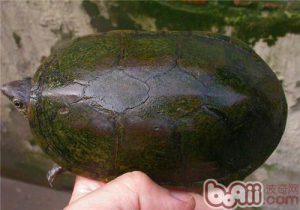
Oaxaca Mud Turtle
The Oaxaca Mud Turtle (Kinosternon oaxacae) is a type of mud turtle that aestivates in summer, burying itself in mud to cool down—hence its name. Living in slow-moving rivers, it hunts fish and shrimp in the water and is an omnivore that leans carnivorous.
- « Previous
- 1
- 2
- 3