Search Results
24 results for “bird respiratory”

Pacific Parrotlet
The Pacific Parrotlet (Pacific Parrotlet), also known as the Pocket Parrot, is relatively small among parrots. This parrot has a very good, playful, brave, and confident personality, which is why so many people keep it.

Dusk Parrot
The Dusk Parrot (Pionus fuscus) inhabits forests, coastal lowlands, and farmland across northern South America. Once rare in aviculture with very high mortality among wild imports, it remains uncommon in captivity, and deforestation and habitat loss have greatly reduced wild populations.
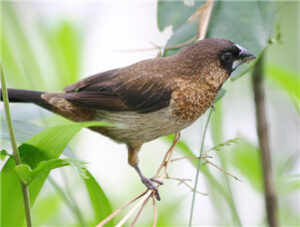
White-rumped Munia
In old times, street fortune-tellers often carried caged birds that would pick out prophecy slips, calling them 'magic sparrows' to deceive people. That 'magic sparrow' was the White-rumped Munia, a seed-eating bird that is bold and tame and easy to keep in a cage.

Serinus canaria
The Canary (Serinus canaria) is prized for its beautiful, varied plumage and sweet, melodious song, and is regarded in China as one of the most elegant cage birds. Wild canaries differ noticeably in color from captive-bred ones.
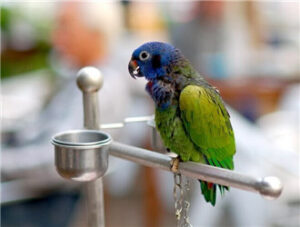
Blue-headed Parrot
The Blue-headed Parrot (Pionus menstruus) is a relatively small, slightly plump parrot with a short tail that can live up to 25 years with good care. It is one of the more commonly kept parrots of its genus, with three subspecies that differ mainly in the depth and spread of the blue coloration on the head.

Highly Toxic Plants for Cats
Many common houseplants are deadly to cats — lily, azalea, sago palm, and cyclamen among them — causing kidney failure, heart problems, or death even in small amounts. Keep these plants out of any home with a cat.
Is keeping a budgerigar indoors harmful to humans?
Keeping a budgerigar indoors can pose some risks to human health. The birds shed dust, bacteria, and fine feathers into the air that can enter the respiratory system. Their droppings breed bacteria and may carry parasites, their loud calls disturb sleep, and they can transmit zoonotic diseases such as psittacosis.
Are budgerigars harmful to humans indoors?
Indoor budgies can harm people: feather dust and bacteria enter the respiratory system, droppings breed bacteria and parasites, loud calls disturb sleep, and they may carry psittacosis, a zoonotic disease.
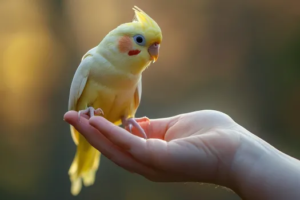
What Is a Cockatiel’s Personality Like?
Cockatiels are smart, playful, and affectionate, but also highly sensitive to routine and can turn moody or nippy when stressed. They thrive on steady schedules, daily interaction, and positive training.

Symptoms and Treatment of One-Eye Cold in Parrots
One-eye cold is a common contagious eye condition in parrots, marked by swollen conjunctiva, watery discharge, lethargy, reduced appetite, and weakness, with respiratory signs in severe cases. If you notice these symptoms, take them seriously and treat promptly. Care begins with isolating the sick bird and disinfecting the cage, then gently cleaning the eye and applying bird-specific drops such as bird-specific eye drops or human erythromycin ointment—treating both eyes even if only one is infected. Serious cases need antibiotics under a vet's guidance. Daily hygiene, clean food and water, and regular check-ups are the best prevention.
- « Previous
- 1
- 2
- 3
- Next »