Search Results
87 results for “biopsy”
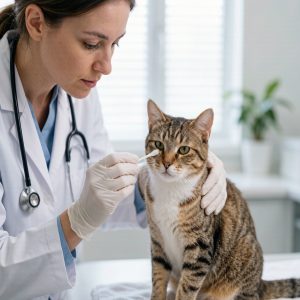
What to Do for Feline Liver Failure
The veterinarian will perform various tests to diagnose liver failure and rule out other diseases that may cause similar symptoms. Obtaining a complete history, describing clinical signs, and a thorough physical examination are all important methods for reaching a diagnosis. In addition, a liver biopsy is necessary in some cases to obtain a definitive diagnosis. Your veterinarian may recommend the following tests to rule out other diseases and confirm the diagnosis of liver failure.

How Inflammatory Bowel Disease in Dogs Is Diagnosed
There are many causes of IBD in dogs, such as ordinary enteritis from improper diet, parasite-driven enteritis, and viral enteritis that generally needs antiviral treatment. This article explains the in-depth diagnostic workup used to confirm IBD.

Symptoms of Inflammatory Bowel Disease in Dogs
Canine IBD is a group of gastrointestinal diseases involving infiltration of inflammatory cells into the dog's gastrointestinal tract. IBD can affect the upper and lower digestive tracts and is the most common cause of chronic vomiting and diarrhea in dogs. The cause of IBD is not yet clear. This article covers its symptoms, diagnosis, and treatment.

What to Do When Your Dog Is Limping
Lameness — reduced weight-bearing or movement in a limb — can range from mild to severe, affect one or more legs, and come and go. Causes span trauma to chronic arthritis. Here is how the vet evaluates and treats it.

Diagnosing Lameness in Dogs
Sudden lameness is often easier to trace — a normal dog that suddenly limps clearly had something happen. But chronic or subtle lameness takes a careful workup. A detailed history and orthopedic exam point the vet to the right tests.

How Lymphoma in Dogs Is Diagnosed
If lymphoma is suspected, the vet starts with a full history and physical exam, then adds tests to confirm lymphosarcoma and rule out other diseases. Fine-needle aspiration is the most common first step.

Sebaceous Adenitis in Pets: Symptoms, Diagnosis, and Treatment
Sebaceous adenitis (SA) is an immune-mediated disease that damages the sebaceous glands, leading to hair loss and scaliness. It varies by coat type and breed. Learn the signs, how it is diagnosed, and how it is managed long term.
- « Previous
- 1
- …
- 7
- 8
- 9