Search Results
49 results for “best age to neuter”

What Is Dog Cryptorchidism and Why Treat It?
Cryptorchidism is when one or both testicles fail to descend into the scrotum, staying in the abdomen or groin. It is strongly hereditary, an autosomal recessive trait, so affected dogs must not be bred. Because the retained testicle sits at body temperature, its cancer risk rises sharply with age and threatens the dog's life. The standard treatment is surgical removal of BOTH testicles, which also neuters the dog; recovery needs rest and limited activity for 1-2 weeks.
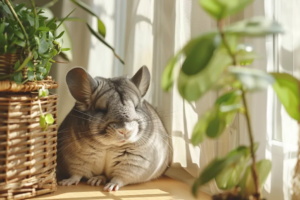
How to Handle a Chinchilla in Frequent Heat
Chinchillas breed readily, and frequent heat can make both owners and pets uncomfortable. Adult males are almost always ready to mate, while females come into heat about once a month, becoming noisy and restless. If you plan to breed, provide a quiet, well-prepared environment and proper nutrition; if not, separate cage-mates, offer chew toys and interaction to burn energy, and consider neutering. Because repeated heat shortens a chinchilla's lifespan and raises stress, neutering is the most fundamental, health-protecting solution for non-breeding pets.

Angora Rabbit
The Angora Rabbit is the fluffy 'grass-mud rabbit' kept for its superfine wool (11 microns, finer than cashmere). Gentle but high-maintenance, it needs shearing every 3–4 months and constant hay to avoid deadly wool block (hairball impaction). Lifespan about 5–7 years.

Cutaneous Mast Cell Tumors in Dogs and Cats
Cutaneous mast cell tumors can appear anywhere on the skin or internal organs, most often on the hind legs, perineum, and prepuce. They vary from slow soft lumps to fast hard nodules and may ulcerate. Surgical removal of well-defined tumors is the main treatment.

Stud Tail in Cats: Symptoms, Treatment, and Prevention
Stud tail is a hormone-driven acne of the tail base in intact male cats, caused by overactive scent and sebaceous glands. It produces blackheads and can progress to infection, and is best managed by neutering and skin care.

How to Choose the Right Cat to Raise
Raising a cat means welcoming her as family and caring responsibly for life. Before fate arrives, we cannot know if she fits; to avoid later mismatch, here is how to pick your cat.

Feline Leukemia: Symptoms and Treatment
Feline AIDS and feline leukemia are topics owners avoid; clinically similar yet different. There is a separate article on feline AIDS for those interested.

What to Do When Cats Keep Fighting Each Other
Cats fight for many reasons—food guarding, play, toy rivalry. Spay/neuter all cats, keep claws trimmed, give each 10–15 min of daily play, use bells to track them, swap scents with a towel, and try facial pheromones (Feliway). Separate fighters with a blanket or loud noise, then restart desensitization and counter-conditioning.

How Long Can a Dog Stay by Your Side?
A dog's lifespan mostly tracks its size — small breeds often reach 15 to 20 years, while large breeds are shorter-lived — but climate and genetics also matter. Good care, neutering, and senior nutrition can add precious years together.
- « Previous
- 1
- …
- 3
- 4
- 5