Search Results
13 results for “bentonite litter”
Helping Your Cat Love the Litter Box
Most cats use litter naturally, but some need coaching. A clean box, the right litter type and scent, a slow switch when changing brands, and thorough cleanup of accidents all build the habit. This guide covers setup, litter choice, changing frequency, and removing odor traces that invite repeat accidents.
Choosing the Right Cat Litter
Cat litters split into non-biodegradable (inorganic) and biodegradable (organic). Inorganic: fuller's earth (clay, non-clumping, but flushable), bentonite (clumps well but dusty and heavy, fragrance-added), silica/crystal (absorbent, low clumping; some have cobalt chloride or pH indicators—avoid long-term cobalt use), ceramic and zeolite (reusable, need a double box). Organic: plant litters (pine, paper) and grain litters (tofu, corn, wheat)—light, flushable, clumping, but watch mold/mycotoxin risk and don't believe 'edible' claims. Pick by your cat's needs and a flushable, low-dust preference.
What to Do When Your Cat Eliminates Outside the Litter Box
Cats don't pee or poop randomly without a reason, so fixing it means finding the cause. Common ones: never learned the box (left the mother too early), bullied by other cats, disliking the box (too far, too tall, smelly litter), illness (soft stool, UTI, stones, diabetes), or anxiety marking. Solutions are specific—teach the box, build the outcast's confidence, fix the box setup, treat disease, and address social frustration (neutering alone won't stop spraying).
Tips for Choosing the Right Cat Litter
Cat litter is essential from the day a kitten learns to use the box until the end of its life. The market offers bentonite, plant-based (tofu), crystal (silica), and recycled-paper litters, with bentonite, plant, and crystal being the most common. Beyond type, what matters for your cat's health is avoiding chemical binders and artificial fragrances and using the litter correctly — a 5 to 7 cm depth, daily scooping, and a full change every week or two.
How to Choose the Right Cat Litter
The wrong litter can contribute to urinary problems in cats, so choosing well matters. This guide compares the main types of cat litter—plant-based (tofu, corn), paper, bentonite clay, crystal (silica), and pine or wheat—and lays out the pros and cons of each. Understanding clumping ability, dust, flushability, odor control, and cost helps you pick a litter your cat will actually use and that supports its urinary and respiratory health.
Why Won’t My Cat Use the Litter Box?
A cat that suddenly stops using the litter box is sending a signal, not being spiteful. The cause is usually the box itself—dirty, cramped, noisy, the wrong litter, or too few boxes in a multi-cat home—or a health issue like constipation, diarrhea, or joint pain. Stress from changes at home is the third big driver. Fix the box and environment first; see a vet if pain or abnormal stool is involved.
How to Layer Hamster Bedding
Hamster bedding should be spread evenly and changed on a schedule that fits the material. Wood shavings are the most common and budget-friendly choice, but they absorb poorly and trap odor, so in summer they need frequent changes. Wood pellets are low-dust and long-lasting, good for summer, while corncob bedding must be sun-sterilized first. You can also mix tofu or bentonite litter into the blend, and always layer urine sand beneath a topping of shavings rather than mixing the two. Tidy, ordered bedding makes soiled spots easy to spot and clean.
How to Stop Your Cat from Peeing on the Bed
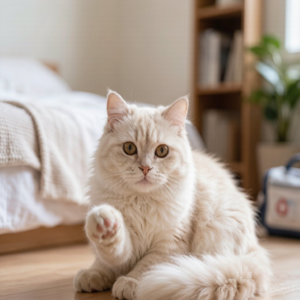
Finding a yellow wet spot on the bed is every cat owner's nightmare. Before anything else, rule out disease: feline lower urinary tract disease (FLUTD) makes urination painful, so cats link the box with discomfort and seek softer spots like the bed. If peeing comes with straining, blood, or constant licking, see a vet. Non-medical causes are a disliked litter box (bad location, poor hygiene, wrong litter, too few boxes in multi-cat homes) and stress or anxiety. Fixes: upgrade the box, scoop twice daily, follow the n+1 rule, ease anxiety with play and pheromone spray, and remove the urine scent with an enzymatic cleaner plus detergent. Most cats return to normal in 2-3 weeks.
Why Your Cat’s Paw Pads Are Peeling
Peeling paw pads can be as simple as low vitamin B, dry weather, or rough litter, or as serious as a bacterial or fungal skin infection. Most cases improve with water, a little balm, and softer litter, but itching, hair loss, or scabs mean a vet check. This guide covers the common causes and what to do.
What New Cat Owners Should Know
Bringing a cat home is joy and responsibility, so prepare mentally as well as materially. Night activity, shedding, scratches, and curiosity are all part of cat life. This guide covers the realistic expectations, the gear to buy, and the steps after adoption: quarantine windows, vaccines, warmth, and the right time to neuter.