Search Results
581 results for “bathe cat”

Why Is My Parrot Fish’s Belly Swollen?
A swollen parrot-fish belly means overfeeding and indigestion, pregnancy, or gut disease. Stop feeding and medicate for indigestion, ease water changes during pregnancy, and use norfloxacin or a stronger mix for enteritis - but find the cause first.
What are the brown-red spots on my dog’s skin?
From the photo, this looks like folliculitis, usually from excess oil and bacterial infection inflaming hair follicles. Control inflammation and eliminate the source: bathe regularly with mild dog shampoo, apply antibacterial medication (spray, lotion or ointment) per vet advice, keep the environment dry/clean and diet balanced, and supplement vitamins to boost immunity.
How to Treat Arowana Tail Rot Disease
Tail rot is a common arowana disease; without timely treatment it is hard to cure and may threaten life. What causes it and how to treat and prevent? Our veterinarian details the methods.
What should I watch for with a dog’s external deworming?
For external deworming, part the fur and apply the drug to the skin, not the hair, and place it on the back of the neck to prevent licking and poisoning; use an Elizabethan collar after. Do not bathe the dog for 3 days, since the drug needs about 3 days to spread and bathing would wash it away.
How to Treat Internal Parasites in Arowana?
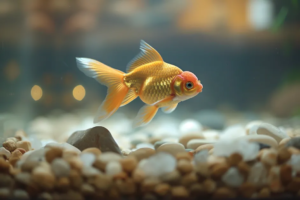
The first-choice drug for internal parasites in arowana is fenbendazole, which kills most internal worms. It works well but is highly toxic with side effects, so many keepers fear it; the key is the correct dosage. Our veterinarian mainly introduces its usage, hoping to help.

What Are the Causes of Arowana Enteritis?
Enteritis is also common in arowana and hard to fully avoid. Learning causes and treatments of common diseases helps prevention and timely care. Our veterinarian introduces the causes and treatments of arowana enteritis, hoping to help.
Symptoms and Treatment of Pneumonia in Turtles
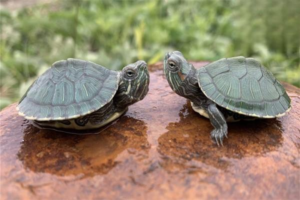
Turtle pneumonia appears in stages: early runny nose and lethargy, middle loss of appetite with open-mouth breathing, late blocked nostrils and sideways floating. Treat with warmth (28–30°C / 38–40°C keeping), azithromycin or amoxicillin baths, and tube-fed medication; see a vet if there is no improvement.

How to Reduce Your Guinea Pig’s Odor
Guinea pigs cannot be bathed often, yet odor builds up if they are not cleaned. Cut smell by feeding low-protein pellets, litter-training in a corner toilet, cleaning the cage daily with absorbent bedding, using pet deodorizers or gut supplements, and giving an occasional warm-water bath.

How to Keep Hamsters Cool and Prevent Heatstroke in Summer
In sustained high temperatures hamsters can suffer heatstroke. Use cooling bedding such as corn cob or cat litter instead of heat-retaining wood shavings, place the cage in a cool, well-ventilated room, and add a bowl of water or chilled stones to lower the ambient temperature. Make sure your hamster always has plenty of water to drink.

How to Deworm a Parrot and How Often
Hand-raised parrots that aren't dewormed regularly can fall prey to fleas, lice, coccidia, trichomonas, and other internal and external parasites. This guide covers practical parrot deworming methods—external baths and sprays, plus internal medications—along with a safe yearly schedule.