Search Results
1171 results for “balanced nutrition”
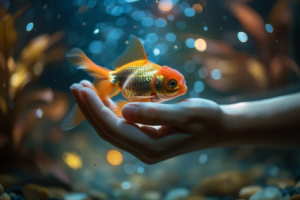
What Causes Arowana Popeye?
Arowana popeye (bulging eyes) is caused by high nitrite in aged water, too much protein in the diet, or bacterial/parasitic infection. Fixes: change water and run the filter for nitrite; switch to lower-protein food and add a wave pump for diet; change water and apply eye drops for infection. Rising pH, high alkalinity, or vitamin B deficiency can also contribute.
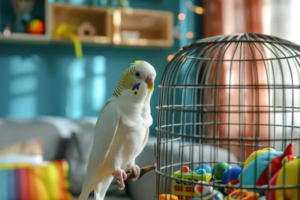
How to Care for a Lovebird
Use a sturdy metal cage (not wood - they chew and may escape), line the bottom with shavings or sand, and feed a balanced pelleted diet plus grains, fruit, and vegetables (avoid avocado and sugary or fatty human food). Feed by age - newborns every 1-2h, adults once daily - and change food and water daily. Give cooled boiled water in a shallow dish and keep them cool.

What to Do When a Rabbit Eats Only Pellets and Refuses Hay
Rabbits need hay for fiber, gut health, and teeth grinding. Refusal comes from taste preference, new environment, or poor hay quality. Fix it by cutting pellets gradually, offering varied hays (alfalfa, timothy, etc.), and keeping hay fresh. Watch intake, weight, and droppings.
Why Is a Kitten Drooling?
Kitten drooling can be normal (grooming, food stimulus, stress) or a disease sign (oral disease, heatstroke, respiratory infection, poisoning). Keep the environment calm to reduce stress; brush teeth regularly, feed a balanced diet, avoid toxic plants and chemicals, and see a vet if other symptoms appear.

What Are the Symptoms of Low Blood Sugar (Hypoglycemia) in Cats?
Symptoms of feline hypoglycemia include seizures, weak or limp limbs, lethargy, slowed responses, and pale gums. It is confirmed with a blood chemistry test, and treatment must address the underlying cause. This article details the causes and treatment of low blood sugar in cats.
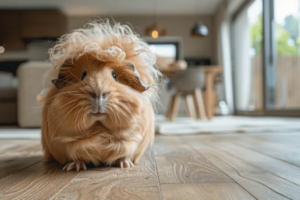
Supplies You Need to Care for a Chinchilla
A good home and the right gear are essential for keeping a chinchilla healthy. This article lists the items you'll need—cage, nest box, dust bath, feeder, water bottle, exercise wheel, bedding, and food—so new owners know what to prepare.
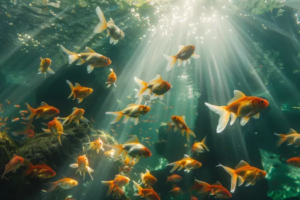
Why Arowanas Develop Droopy Eyes (Drop-Eye)
Drop-eye is a common and stubborn problem in arowana. It is driven by genetics as well as husbandry factors—feeding method, tank height, lighting, and overnutrition—and can be prevented by adjusting these conditions.
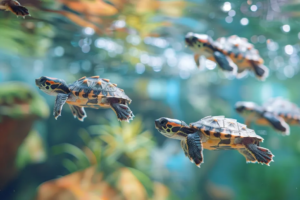
Can Turtles Catch Colds, and What Are the Symptoms?
Turtles do get colds, usually from big temperature swings—runny nose, bubbles, watery eyes, low appetite, lethargy, and if untreated, pneumonia. Treat by isolation, warm water (30–32°C), and oxytetracycline or amoxicillin by severity; keep temperature stable to prevent.

What Are the Symptoms of Chinchilla Constipation?
Constipation is common in chinchillas and can lead to poor appetite, malnutrition, even intestinal blockage. Symptoms are easy to spot — small, hard, dark, misshapen, foul-smelling droppings, and in severe cases appetite loss and lethargy. Causes include poor diet, low water, and stress from over-handling; treatment focuses on hydration, fiber and gentle exercise.
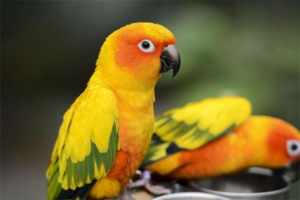
Why Can’t My Parrot Stand, and How to Treat It?
A parrot that can't stand usually has splayed or deformed legs from low vitamin D3 and calcium — congenital (a deficient mother) or from an uneven nest box. Fix the nutrition and, for fractures, splint with foam.