Search Results
1171 results for “balanced nutrition”

Preventing Eczema in Dogs Before It Starts
Eczema is not hard to treat, but it is miserable for the dog. The smart move is prevention: dry the coat after rain, balance nutrition, and deworm on schedule. Here is how to keep eczema away.

How to Prevent Cardiomyopathy in Cats
Cardiomyopathy cannot be cured, so prevention is everything. Annual check-ups, taurine-rich balanced food, a calm low-salt home, and fish-oil/vitamin E support are the best ways to lower a cat's risk.

How to Prevent and Treat Rabbit ‘Big Belly’ Disease
Rabbit big-belly disease strikes weanling kits and can kill in 2–3 days, driven by moldy feed or poor nutrition. Prevention is clean feed and a correct formula; treatment ranges from grass-and-exercise to metoclopramide and antibiotics.

Why Are Puppies Prone to Low Blood Sugar?
Puppies are the most likely dogs to develop hypoglycemia, and diet is the main reason. Learn why they are at risk, the signs to watch, and how to respond and feed them well.

Arthritis in Dogs and Cats: Symptoms, Medication & Care
Arthritis in pets brings red, swollen, painful joints and can end in deformity or paralysis. This guide covers causes, joint supplements (chondroitin, calcium, meloxicam), and prevention through a dry, warm environment, diet, and moderate exercise.

How to Treat Rabbit Red-Eye Disease
Red-eye disease (conjunctivitis) makes a rabbit listless, eat and drink less, with red, swollen, tearing eyes and discharge. It's contagious and can blind if untreated. This article explains the care steps.
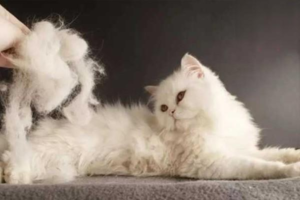
Common Causes of Shedding in Cats and Dogs and How to Relieve It with Medication
Shedding in pets is common, but excessive or abnormal hair loss usually signals an underlying problem—seasonal coat change, parasites, fungal infection, poor nutrition, allergies, hormonal imbalance, over-bathing, or stress. This article covers the causes and the medications that help.

Do Corgis Shed? Causes and How to Manage It
Corgi owners know these dogs do shed, but the reasons vary and need a careful eye to tell apart. From shedding season to skin disease, learn why Corgis lose fur and how to keep it under control.

Measures to Boost Rabbit Litter Yield in Autumn
Autumn is the peak breeding season for rabbits, but it is also their molt, so extra nutrition is essential to keep breeding stock in condition. Feed bucks and does differently, choose strong genetics, and manage mating and pregnancy carefully to raise litter size.

Diagnosing and Treating Feline Hypoglycemia
Feline hypoglycemia is diagnosed from clinical signs plus low blood glucose (ketones in urine are a key clue), with X-rays hinting at liver disease. Treatment centers on restoring sugar — IV glucose for sick cats, oral glucose if they can keep it down — plus diet adjustment, B vitamins, fluids, and antibiotics to prevent secondary infection.