Search Results
1171 results for “balanced nutrition”

Tomato Frog
The tomato frog (Dyscophus guineti) is a brilliantly red, frog-shaped amphibian from Madagascar's eastern coast. Despite its looks, its skin secretes a painful defensive toxin, and it thrives in a humid, mostly terrestrial setup fed on crickets and other insects.
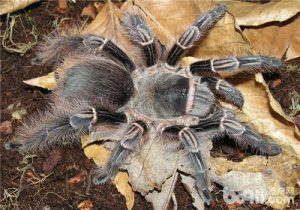
Pink Zebra Beauty
The pink zebra beauty is a large, docile terrestrial tarantula from the South American Pampas, named for its pink hairs and golden leg bands. Reaching a 14–16 cm leg span, it is gentle but fast, and does well in a burrow-style setup with moist substrate.

French Guiana Blue Fang
The French Guiana blue fang (Ephebopus cyanognathus) is a strikingly beautiful, metallic-hued tarantula from the rainforests of French Guiana, valued by collectors for its blue chelicerae. A burrowing species needing warm, humid conditions, it is best left unhandled due to its potent venom.
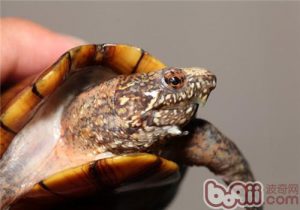
Kinosternon acutum (Tabasco Mud Turtle)
The Tabasco mud turtle (Kinosternon acutum) is a medium-sized mud turtle prized for its vivid head striping, found mainly in the Mexican Caribbean lowlands. It is rarer than the narrow-bridged musk turtle and seldom seen on the market.

Bell’s/Lowveld Hinge-back Tortoise
Bell's Hinge-back Tortoise (Kinixys belliana) is a relatively common hinge-back tortoise that lives a solitary life in dry habitats. Demanding in its care, it is not recommended for beginner keepers.

Creaser’s Mud Turtle
Creaser's Mud Turtle (Kinosternon creaseri) is a lesser-known mud turtle with a dark shell and pale head. Known for its aggression and strong territoriality, it is rarely kept in captivity and seldom seen in the market.
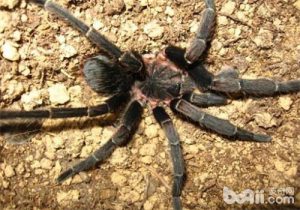
Costa Rican Zebra
The Costa Rican zebra tarantula is native to Mexico, Guatemala, and Costa Rica. Adults reach a leg span of 14–17 cm and are known for a gentle, easily tamed temperament.

Pruritus (Itching) in Dogs and Cats: Symptoms, Causes, and Relief
Pruritus is a symptom rather than a disease, signaling an underlying problem such as parasites, eczema, diabetes, endocrine imbalance, or nutritional deficiency. Lasting relief comes from treating the root cause, not just suppressing the itch.

Canine and Feline Seborrheic Dermatitis: Symptoms, Treatment, and Prevention
Seborrheic dermatitis is a disorder of skin lipid metabolism in dogs and cats, producing dry scales, greasy sebum buildup, or inflamed crusted skin. It may be primary (often hereditary) or secondary to parasites, infection, or endocrine disease such as hypothyroidism.

Degenerative Arthritis in Dogs and Cats: Symptoms, Treatment, and Prevention
Degenerative arthritis (osteoarthritis) is non-suppurative wear of joint cartilage from years of uneven load, more common in older pets. It causes pain, stiffness, limited motion, and lameness that worsens with activity and cold weather. Weight control, controlled exercise, pain relief, and surgery in severe cases manage it.