Search Results
2848 results for “balance”
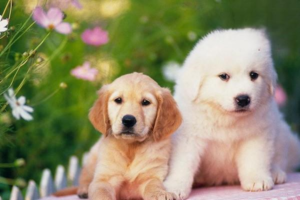
How to Care for a Bichon Frise
Bichon care comes down to three things: brushing, bathing, and diet. Daily brushing prevents the curly coat from matting, a dog shampoo and correct water temperature keep the skin healthy, and small-breed food with vegetables balances the meal.

Cat Spay and Neuter Care: Details You Shouldn’t Skip
Neutering curbs mating aggression, noisy calling, marking, and heat-related illness, but the surgery is only half the job. Follow the antibiotic course, avoid picking the cat up, and support recovery with good nutrition.

Why Your Dog’s Eyes Are Red with Visible Blood Vessels
Red, bloodshot eyes can be simple heat or dry eye, or a sign of conjunctivitis, keratitis, or even distemper and injury. Mild cases allow gentle home care, but lasting redness with lethargy needs a vet.

What to Do When Your Dog Has Ringworm
Ringworm is a fungal skin infection that spreads through contact and dirty surroundings, and weak or underfed dogs are most at risk. Clean the environment, boost nutrition, and apply antifungal treatment early to stop it spreading.
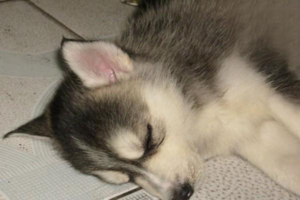
Bloody Diarrhea in Dogs: Is It Parvo?
Blood in the stool is alarming but has many causes beyond parvo, from a diet switch to gut injury, gastroenteritis, infection, or parasites. Rule out the simple ones first, and see a vet for severe or unexplained cases.

Bumps Around Your Dog’s Eyes
Bumps near the eyes can come from mosquito bites, fungal or mite infection, poor nutrition, or low immunity. Most bug bites fade on their own, but recurring or worsening spots deserve a vet's opinion.
A Fleshy Bump in Your Dog’s Eye
A bump in the eye is usually heat and inflammation, a prolapsed third eyelid, or a bacterial infection from daily life. Ease mild heat with water and diet; see a vet for the third eyelid, and use antibiotic care for infection.

Post-Surgery Recovery Care for Your Dog
After an operation a dog is fragile and needs careful nutrition, soft easy meals, and real rest. A recovery supplement, balanced food, and limited activity help the incision heal and the dog bounce back.
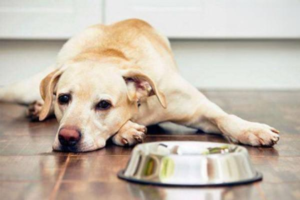
Dog Has No Appetite but Stays Active
When a dog skips meals yet stays playful, the cause is usually the food itself or picky habits, not illness. Rule out the kibble first, then watch for a possible blockage if there is no bowel movement or drinking.

Why Your Dog Lost Its Appetite and Energy
A dog that stops eating and goes quiet may have a troubled stomach, parasites, an internal illness, or simply picky habits. Match the cause to the fix: adjust the diet, deworm on schedule, or see a vet when illness is the culprit.