Search Results
2848 results for “balance”
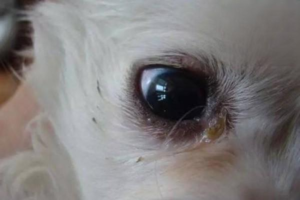
Dog With Eye Discharge and Low Energy: What to Check
Eye gunk with tiredness can be simple 'heat,' eye inflammation, parasites, or fear — or, if yellow nasal discharge and fever appear, distemper. Rule out the serious causes with a vet.

Can a Cat Survive Panleukopenia (Feline Distemper)?
Caught early and treated by a vet, panleukopenia is survivable. Signs are relentless vomiting, severe diarrhea, and dehydration — so rush to a clinic and never self-medicate.

Why Has Your Dog’s Coat Gone Hard?
Coarse, hard fur usually points to skin trouble from parasites, missing nutrition, or wrong washing. Fix the skin, balance the diet, and use a proper pet shampoo.

Why Do Some Dogs Have Floppy Ears?
Floppy versus upright ears come from climate, bloodline, crossbreeding, and sometimes low calcium. Cold regions favor dropped ears that hold heat, while hot areas favor upright ears that shed it.

How to Care for Your Cat’s Nose in Dry Winter
Winter's dry air cracks and chaps a cat's nose, so add humidity, ease outdoor trips, and keep nutrition balanced. A persistently dry, hot nose with fever needs a vet.

Cat Ear Mites: Symptoms and Care
Ear mites spread easily between cats through contact and cause intense itching and dark ear discharge. Clean the ear first, then apply a vet-recommended topical treatment — and see the vet if pain or balance loss appears.

What to Do If Your Cat Catches Flu
Cat flu is a viral illness spread by close contact, causing sneezing, eye or mouth ulcers, and lost appetite. Support your cat with good nutrition and protect others through vaccination.

What to Know About Feeding a Labrador Retriever
Labradors thrive on age-appropriate food, a steady feeding schedule, and balanced nutrition. Portion control, clean water, and avoiding hard exercise around mealtimes protect them from digestive trouble and joint strain.

Why Does My Dog Have Bubbles on Its Tongue?
Small bumps or bubbles on a dog's tongue can come from mild oral irritation, aging, genetics, or a dip in immunity. Most cases are harmless and ease with better diet and care, but persistent, painful, or bleeding sores should be checked by a veterinarian.
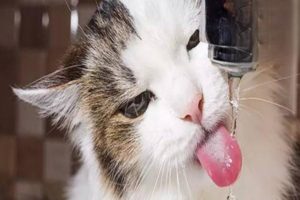
How Much Water Does a Cat Need Each Day?
A cat needs roughly 50 to 60 ml of water per kilogram of body weight every day. Wet food is about 93 percent water while dry kibble is only around 10 percent, so cats on a dry diet need you to encourage drinking. Place fresh water near the food and pick a main diet that keeps hydration in balance.