Search Results
2848 results for “balance”

Yellow-blotched Sawback
The Yellow-blotched Sawback (Graptemys flavimaculata) is the most vividly marked map turtle, endemic to Mississippi's Pascagoula River. Strictly protected in the United States and rarely seen in trade, it has no successful captive breeding.

Herrera’s Mud Turtle
Herrera's mud turtle (Kinosternon herrerai) is one of the fiercer mud turtles — looking like a tiger-striped razorback but with the pugnacious personality of a narrow-bridged musk turtle. A rewarding but pricey and aggressive captive that is best kept alone.

Colombian Wood Turtle
The Colombian wood turtle (Rhinoclemmys melanosterna), also called the black-bellied wood turtle, is a vividly marked, entirely dark-plumaged member of the American wood-turtle genus. A tropical, aquatic omnivore from northwestern South America.
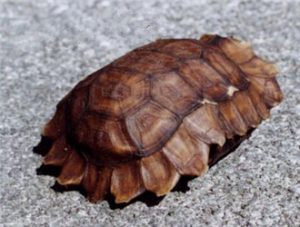
Forest Hinge-back Tortoise
The African hinge-back tortoise (Kinixys erosa), also called the forest hinge-back, is one of the most prized hinge-back tortoises from Africa. It can fold the rear of its carapace — a unique defense and breathing aid — and demands high humidity and experienced care.

Florida Peninsula Cooter
The Florida Peninsula Cooter (Pseudemys peninsularis) is a large, hardy North American pond turtle marked in yellow and green. It closely resembles the red-eared slider but shows a yellow (not red) plastron, and is an affordable, beginner-friendly turtle.

Common Spider Tortoise
The Common Spider Tortoise (Pyxis arachnoides) is a tiny forest tortoise endemic to Madagascar. Never captive-bred and only wild-caught in trade, it is demanding and listed on CITES Appendix I, so buy with caution.
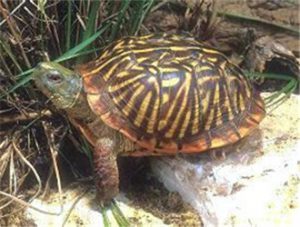
Western Box Turtle
The Western Box Turtle (Terrapene ornata) is a vividly patterned, arid-adapted box turtle of the North American grasslands. It takes about five years to mature, leans more toward insects than other box turtles, and unfortunately adapts poorly to captivity.
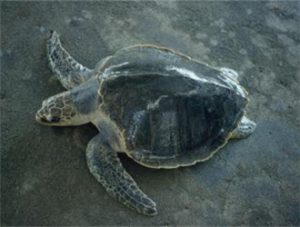
Olive Ridley Sea Turtle
The Olive Ridley (Lepidochelys olivacea) is the smallest and most abundant of the sea turtles, ranging across the warm Pacific from the Gulf of California to Chile and north to southern Japan. Once heavily taken for food, its numbers have fallen, and it is now a Class II protected species in China.

Blue Acara (Aequidens pulcher)
The blue acara (Aequidens pulcher) is gentle, but aggressive and territorial during breeding. It digs in the substrate; outside the breeding season it is calm and quiet and can be mixed with other ornamental fish.

Siamese Fighting Fish (Betta splendens)
The Siamese fighting fish (Betta splendens), native to Thailand, is one of the easier ornamental fish to keep, but two adult males will fight on sight—never keep more than one mature male per tank. Its vivid form and color make it a favorite among aquarists.