Search Results
2849 results for “balance”

What Is a Proper Hamster Diet
A correct hamster diet is built on staples (grains), supplemented by fresh vegetables and fruit, occasional oily seeds as treats, and protein-rich foods like boiled egg white or mealworms. Mix about 70% staple, 20% vegetable/fruit, 10% treats. Avoid chocolate, coffee, sugar, and pungent vegetables like onion and garlic.

Common Causes of Hair Loss in Hamsters
Hamster hair loss has many causes beyond normal shedding: old age, low dietary protein, skin friction in the cage, seasonal molting, over-grooming, pregnancy, and hormonal imbalance (including male-pattern baldness from excess testosterone). Identifying the cause lets owners apply the right fix.

How Often to Feed Turtles in Summer
In hot summer a turtle's metabolism speeds up and its appetite grows, so you can feed a bit more to build reserves. Hatchlings under 5 cm should be fed daily, larger turtles every other day, and feeding should avoid the strong midday sun. Good summer care also means shade plants, checking food for spoilage, balanced nutrition, and frequent water changes to prevent shell rot.
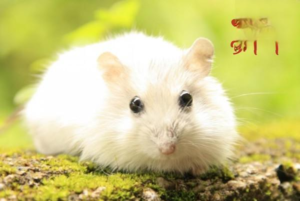
What to Do When a Hamster Is ‘Overheated’, and How to Cool It
A hamster gets 'overheated' (shanghuo) mainly from too many dry, rich treats — mealworms and sunflower seeds — and too little water. Cool it by cutting mealworms to 3–4 a week, pausing seeds, offering more cooled boiled water, and adding light chrysanthemum tea, cooked mung beans, or washed fresh produce. Prevention is sensible feeding and constant clean water.

Why a Golden Arowana Bubbles at the Water Surface, and What to Do
A golden arowana blowing bubbles at the surface usually means low tank oxygen, poor water quality or wrong temperature, or simple indigestion. Fix low oxygen with a one-third water change and an air pump; keep temperature near 25°C and pH 6.5–7.0; for indigestion, fast the fish three days then feed easy foods like plants or cooked millet.
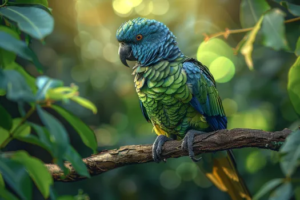
When Do Budgerigars Molt, and What Are the Signs
Budgerigars typically molt in June–August for 2–3 months and again about four months later to grow winter down. Signs include frequent feather loss, poorer appetite with some weight loss, and moody, sensitive behavior. Because molting birds are fragile and parasite-prone, feed a varied balanced diet and deworm if you see red, scabby skin or feather-pecking.

What Season Is Best for Breeding Rabbits
Spring and autumn are the best breeding seasons — warm, dry, and bright, with high conception and kit-survival rates. Avoid breeding above 30°C in summer or without heating in winter. Choose quality stock, feed a balanced diet with carrots pre-breeding, give exercise and light, and time mating to bright-red vulva estrus using repeat mating.

How Environmental Factors Affect Meat Rabbit Fattening
A dim, quiet environment helps fatten meat rabbits: it suppresses sexual development, raises feed efficiency, calms the animals, and speeds weight gain — trials show rabbits in darker cages weigh 250–350 g more after six months. Because they get little sunlight, keep cages clean, disinfect often, and feed a complete diet rich in vitamins and minerals.

How to Raise Meat Rabbits Efficiently
Efficient meat-rabbit farming comes down to five things: choose high-quality breeding stock, manage them well to reach their full production potential, improve feed conversion to cut costs, keep the rabbitry disease-free, and adjust your scale to market demand. Strong breeding selection and good husbandry are the biggest levers on profit.

What to Do When Your Chinchilla Is Constipated
Chinchillas are herbivores but can get constipated from poor diet or too little exercise. This guide covers the symptoms, causes and fixes—diet adjustment, exercise, gentle massage—plus prevention via high-fiber hay and hair-ball control.