Search Results
7 results for “aspiration biopsy”
Could My Cat’s Swollen Lymph Nodes Be from a Virus?
Swollen mandibular lymph nodes can indeed come from a viral infection, but you need a needle aspiration/culture to identify the virus—so rule out other causes first before antiviral drugs. Inflammation also swells nodes (check bacteria via smear); tumors can too (biopsy). Symptoms include high fever, lethargy, pain, anorexia, and sometimes discharge. With proper diagnosis and antibiotics, nodes shrink as the cat recovers.

Canine and Feline Lymphosarcoma (Lymphoma)
Lymphosarcoma, also called lymphoma, is a malignant tumor of lymphocytes that arises in lymph nodes or other lymphoid tissue. It occurs in both dogs and cats, more often in dogs over about 4 years, and appears as multicentric, alimentary, or thymic forms with enlargement of lymph nodes, digestive upset, or chest masses.

Mammary Tumors in Dogs and Cats
Mammary tumors are common in intact female dogs and are the third most common feline tumor. They often appear as firm nodules in the mammary chain and can ulcerate or spread to lymph nodes and lungs. Early spaying sharply lowers risk, and surgery is the main treatment.

Idiopathic Polymyositis in Dogs and Cats
Idiopathic polymyositis is a diffuse inflammation of skeletal muscle, likely autoimmune, causing weakness, fever, stiffness, and lameness. Cats may lose the ability to jump. Catching it early and using immune-suppressing therapy helps prevent wasting.

Lymphangitis and Lymphadenitis in Dogs and Cats: Symptoms, Treatment, and Prevention
Lymphangitis and lymphadenitis are inflammations of the lymph vessels and nodes, usually from infection, immune disorders, or tumors. Signs vary by location but center on swelling, pain, and systemic inflammation, and treatment targets the underlying disease.
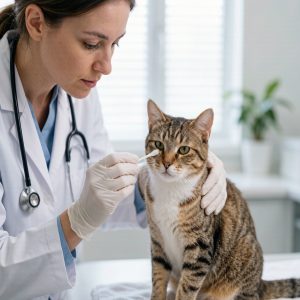
What to Do for Feline Liver Failure
The veterinarian will perform various tests to diagnose liver failure and rule out other diseases that may cause similar symptoms. Obtaining a complete history, describing clinical signs, and a thorough physical examination are all important methods for reaching a diagnosis. In addition, a liver biopsy is necessary in some cases to obtain a definitive diagnosis. Your veterinarian may recommend the following tests to rule out other diseases and confirm the diagnosis of liver failure.

How Lymphoma in Dogs Is Diagnosed
If lymphoma is suspected, the vet starts with a full history and physical exam, then adds tests to confirm lymphosarcoma and rule out other diseases. Fine-needle aspiration is the most common first step.