Search Results
66 results for “arowana disease”
Arowana Cloudy Eye: A Common Arowana Disease
Arowana cloudy eye is usually caused by poor water quality or an eye injury that lets bacteria in, and it progresses through four stages. Mild early cases often clear up with simple water changes, while advanced cases need salt, heat, and medication.
Why Do Arowana Scales Raise (Pinecone Disease), and How to Treat It
Arowana scale-raising has three causes—handling-related, parasitic, and bacterial—each needing different treatment. Find the real cause and treat accordingly. This article covers the common causes and treatments.
What disease causes a Silver Arowana to turn black?
A blackening Arowana may have digestion-related enteritis, treated with furazolidone baths. Poor water or low light can also cause it.
How to Treat Arowana Tail Rot Disease
Tail rot is a common arowana disease; without timely treatment it is hard to cure and may threaten life. What causes it and how to treat and prevent? Our veterinarian details the methods.

Common Arowana Skin Diseases and Their Prevention
Common arowana skin diseases include scale melting, slime-coat shedding, and fin/tail rot—most stemming from poor water quality. Improve water and add aquarium vitamins for scale melting; use Japanese yellow powder for slime-coat loss; and rely on the 'old three' (heat, salt, water change) or medication for fin/tail rot.
Symptoms and Treatment of Arowana Pinecone Disease
Arowana pinecone disease (raised scales), also called 'arowana cold,' is often triggered by large temperature swings during seasonal changes. Early signs are darkening, rough skin, and scales protruding outward; severe cases show swollen scale sacs with bloody fluid and ascites. Treatment starts with raising the temperature 1–2°C, adding salt (0.6–1%), and partial water changes; medication is added if no improvement.

Why Do Arowana Get White Spot Disease?
Arowana white spot disease (Ich) usually appears during seasonal changes when temperature fluctuates. The parasite—an Ich ciliate—thrives in low temperatures and dies in heat, so keeping the water temperature stable (26–33°C) is the key to prevention. Treatment is primarily raising the temperature by 2–3°C with aquarium salt and partial water changes.
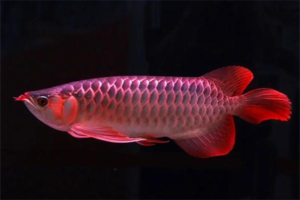
Why Arowana Get Pinecone Disease (Raised Scales) and How to Treat It
Pinecone disease (also called raised or loose scales) is common in arowana. It can be triggered by large temperature swings, poor water quality, or internal infections such as enteritis and ascites. Mild cases often respond to the 'old three methods' — raise temperature, add salt, and partial water changes — while severe cases need antibiotics.

What to Do If an Arowana Is Stressed
An arowana that is frightened should be left in a quiet, stable tank with feeding stopped and gentle support — a slight temperature rise, a little aquarium salt, and small water changes — until it relaxes. Stress comes from new surroundings, tank-mate fights, or sudden shifts in temperature or water quality, and it can slide into illness or death, so keep the tank calm, the temperature swing under 2°C, and remove anything that spooks the fish.
Why Arowana Refuse to Eat
Many factors cause arowana to refuse food - large water-quality swings, sudden environmental change, indigestion, a monotonous diet, or illness. Solutions differ by cause: change and stabilize the water, let the fish rest quietly, fast and regulate digestion, vary the diet, or treat the specific disease. Check water, environment, food, and health to find the cause.