Search Results
39 results for “aquarium lighting”

What Does Arowana Drop-Eye Mean?
Drop-eye is a normal physiological phenomenon in arowana, common in fish kept in aquariums, and silver arowana are even more prone to it. Drop-eye does not affect health but seriously impacts appearance and reduces ornamental value. Keepers should take preventive measures. Our veterinarian mainly introduces the causes of arowana drop-eye to help with prevention.
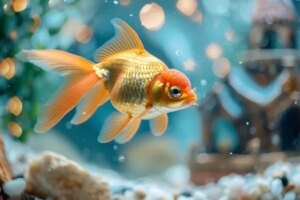
How to Keep Goldfish: Methods and Precautions
More people keep pet fish, and goldfish are a favorite — but beginners lacking experience often fail to keep them alive. Here are methods and tips to raise goldfish and improve survival, for new keepers.

Arowana Care Guide
Arowana have many keepers, but they are delicate and timid, so good care is not easy. Here are some daily management tips that help keep arowana healthy.

Blood Parrot Cichlid Care: Ideal Water Temperature and Husbandry Guide
Blood parrot cichlids are colorful tropical aquarium fish. Keep the water stable at 25–28°C (77–82°F), maintain a slightly acidic pH of 5.5–7.0 with frequent partial water changes, feed a balanced diet of pellets plus occasional disinfected live foods, provide moderate lighting, ensure strong aeration, and watch for common illnesses like saprolegniasis and ich.
Golden Arowana Care and Husbandry
The golden arowana is a large, striking ornamental fish that needs generous space—a pond or an aquarium over 120 cm long. It prefers soft, slightly acidic water and a steady 24–26°C (28–30°C for silver and black varieties), with new and old water kept within 2°C to avoid shock. Good filtration, an air pump for oxygen, and a covered tank prevent stress and disease. Aim for 3–4 hours of sunlight daily, or 5–7 hours of full-spectrum lighting, to support growth and color. Sound husbandry—clean water, stable temperature, sensible feeding—is the best defense against the common signs of illness: dull color, sluggish swimming, and drooping eyes.

Vagabond Butterflyfish
The Vagabond Butterflyfish is a small reef fish, 80 to 120 mm long and quite rare. It is mainly found in tropical warm waters of the Indian and Pacific Oceans. Because of its small size, it should not be mixed with aggressive fish.

Head and Tail Light Tetra
Also known as the Lantern Fish, Head-lamp Fish, or Signal Fish, the Head and Tail Light Tetra is small but very distinctive; under lighting, the golden-yellow spots near its eyes and tail reflect golden and red colors, which is quite beautiful.
Madagascar Rainbowfish
The Madagascar rainbowfish, also called the Madagascar rainbow or stone beauty, is native to Madagascar. Adults reach 6 to 8 cm and are admired for the shifting bands of color that play across their bodies as the light changes.

Amazonas Dwarf Cichlid
The Amazonas Dwarf Cichlid is mainly distributed in Manaus, Santarém, and the Rio Negro of the Amazon River basin. With a body length of 9-6 cm, it is a relatively slender, small dwarf cichlid.
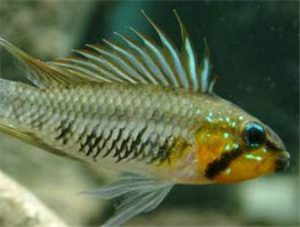
Black-banded Dwarf Cichlid
The Black-banded Dwarf Cichlid is mainly distributed at the confluence of the Rio Negro and the Amazon River in Brazil. It is a carnivorous ornamental fish with a gentle temperament and some territoriality, so care should be taken with tank mates, and plants should be added to the aquarium to give it a sense of security.
- « Previous
- 1
- 2
- 3
- 4
- Next »