Search Results
13 results for “aquarium aeration”
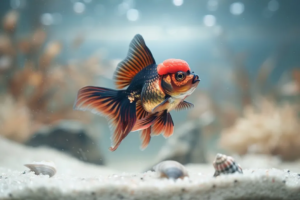
Aquarium Aeration Systems: How They Work and Usage Tips
Fish need dissolved oxygen above 5 mg/L; below 1 mg/L they gasp at the surface and can suffocate. An aeration system prevents this. Choose between electromagnetic-vibration pumps (small tanks) and electric pumps (large setups), size the power to your tank, keep the pump above water level, and clean clogged air stones regularly.
How to Cycle a Planted Aquarium (Establish the Water)
Start by sunning the water to remove chlorine and metals, then soak and rinse the tank before filling. Run the pump and lights, add hardy plants and nitrifying bacteria, and wait until the water is clear with daphnia present.
How often should aquarium filter media be replaced?
Generally replace aquarium filter media about once a week; bio-media like bacteria houses, aeration rings, and bio-rings can be replaced yearly. Filter media include filter cotton, vine cotton, bacteria houses, activated carbon, etc., with different lifespans, so replacement timing varies. Either way, replace media in time to prevent bacteria growth.

Do Planted Aquariums Need Extra Oxygen?
The answer is yes—planted tanks still need aeration. Plants produce oxygen during photosynthesis but also consume it, especially at night when they can't photosynthesize and instead use up oxygen, lowering levels. In dense tanks, aeration supports fish and plant survival and growth. But more isn't always better; adjust to the situation and mind equipment choice, maintenance, and oxygen levels.
What is the simplest way to age aquarium water?
The easiest way to age tap water is to leave it in sunlight for two to three days so chlorine evaporates. Test with hardy fish before using it for sensitive aquarium inhabitants.
What is the correct way to cycle a new aquarium?
Cycling a new tank means disinfecting, then running filter and aeration with nitrifying bacteria until clear, and testing with hardy fish before adding ornamental fish. Proper cycling keeps the water safe.

Blood Parrot Cichlid Care: Ideal Water Temperature and Husbandry Guide
Blood parrot cichlids are colorful tropical aquarium fish. Keep the water stable at 25–28°C (77–82°F), maintain a slightly acidic pH of 5.5–7.0 with frequent partial water changes, feed a balanced diet of pellets plus occasional disinfected live foods, provide moderate lighting, ensure strong aeration, and watch for common illnesses like saprolegniasis and ich.
What are the benefits of keeping fish?
Fishkeeping builds patience through regular water, oxygen, and feeding care, relieves stress by shifting attention from worries, and adds beauty and humidity to the home.
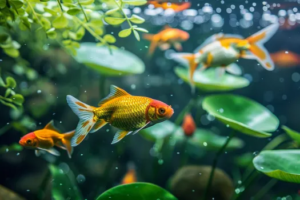
What to Do When Your Goldfish Is Swimming Upside Down
A goldfish floating or swimming upside down is alarming but common, usually caused by poor water quality, overfeeding, low oxygen, cold or fluctuating temperatures, or swim bladder disease. Act quickly to add oxygen and prevent long-term damage from suffocation. Season, temperature, water quality, dissolved oxygen, pH, feeding, and water-change frequency all affect a goldfish's health, so careful husbandry matters. You can relieve mild cases by improving water quality, boosting aeration, and raising the temperature—but if the problem is severe or persists, consult a veterinarian or an aquatic specialist for proper treatment.
Madagascar Rainbowfish
The Madagascar rainbowfish, also called the Madagascar rainbow or stone beauty, is native to Madagascar. Adults reach 6 to 8 cm and are admired for the shifting bands of color that play across their bodies as the light changes.