Search Results
4550 results for “appetite”

What to Do When Indigestion Causes Your Dog to Vomit
Indigestion is the top cause of dog vomiting, and severe cases bring mucus, stomach fluid, undigested food, even blood and diarrhea. Causes are unclean food or bowls, overeating, and sudden food switches. Fix hygiene, fast one to two days then feed bland food, and use a probiotic after a switch.

Why Is Your Dog Vomiting Green Fluid?
Green vomit is uncommon but serious. It can mean gastritis (with prior diarrhea and poor appetite), a heavy parasite infection (thick green fluid with eggs), or cholecystitis — for which there is no specific home drug and a vet is needed. Act fast; delay can be fatal.

Why Is Your Dog Vomiting White Foam and Mucus?
White foam and mucus in vomit usually mean excess stomach acid from acute gastritis, indigestible food, or parasites. Start with an 8-hour fast from food and water; if vomiting and diarrhea continue, see a vet. Switch to a bland diet with probiotics, and check the stool for parasite eggs.

Can a Dog’s Vomiting and Diarrhea Heal on Their Own?
Vomiting and diarrhea in dogs usually trace to diet (human treats like chocolate or milk), a chill, or parasites — and most mild cases improve with probiotics, warmth, and deworming. A new-environment stress reaction calms with a one-day fast; persistent or parasite-driven cases need a vet.
Dog Suddenly Vomiting and Refusing Food: When to Go to the Vet
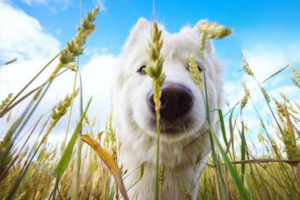
Sudden vomiting with lost appetite can be harmless — hairballs from self-grooming or simple gastritis — or serious, like parvovirus or distemper. Read the vomit: fresh undigested food means overeating or hard-to-digest food; partly digested, unclean food points to gut trouble. Frequent vomiting with no appetite needs a vet.

Is Your Cat’s Hoarse Voice a Sign of Illness?
A suddenly hoarse meow can be harmless — some cats fake it for attention — but it can also mean stress-induced inflammation, a seasonal cold, or a throat foreign object. Watch for other signs: if the cat eats and rests normally, it often recovers in about a week; fever, sneezing, or gagging means a vet visit.
Symptoms of Upper Respiratory Infection in Cats
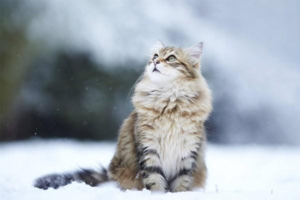
Feline upper respiratory infection (URI) hits the nose and throat and shows as fever, sneezing, watery eyes, runny nose, red eyes, cough, hoarse voice, poor appetite, and sleepiness. Most cases are viral (herpes or calicivirus) and need antibiotics plus vet care; vaccination is the best prevention, especially for kittens.

Kitten With Pus in the Eyes, Can’t Open Them, and Sneezing
A kitten with pus-filled eyes, stuck-shut lids, and sneezing is often fighting feline herpesvirus (rhinotracheitis), not just a cold — and it can be fatal if ignored. Isolate and disinfect the space, give lysine and vet-prescribed antibiotics, and use eye drops for the conjunctivitis. Act quickly, since kittens have little immunity.

What to Do When an Old Dog Breathes Heavily
Heavy panting in senior dogs usually points to heart trouble — most often mitral valve degeneration or congestive heart failure — though pneumonia can also be the cause. These are emergencies in older dogs with weak immunity, so a prompt vet visit matters; early heart changes can be eased with medication, but advanced stages are hard to treat.

Why Your Dog Suddenly Vomits Yellow Liquid
Sudden yellow vomit usually comes from hunger, eating something wrong, irregular feeding, or gastritis. Ease back with a short fast, water, and a probiotic, then bland food; for swallowed objects or severe gastritis, a vet visit is needed to avoid dehydration.