Search Results
98 results for “antifungal”
What to Do If Your Cat Has Cryptococcosis
Cryptococcosis is an environmental fungus found in soil and air, and cats often catch it by inhaling spores that travel from the lungs to the rest of the body, or through wounded skin and the mouth. Pigeons are the most important carrier, so the fungus concentrates wherever birds roost, in attics, and among decaying leaves. Signs range from skin nodules and nasal discharge to nervous-system and eye problems. Diagnosis relies on microscopy, fungal culture, X-rays, and blood tests, and oral antifungals such as ketoconazole, itraconazole, and fluconazole are the main treatment. Starting therapy early and keeping it consistent gives the best chance of recovery.
Cat Upper Respiratory Infection: Symptoms and Treatment
A cat upper respiratory infection is inflammation of the mucous membranes of the upper airways. Affected cats typically cough, sneeze, and have a runny nose, sometimes with yellow nasal discharge, and a sudden drop in temperature, poor nutrition, or stress can trigger an outbreak. The usual culprits are viruses such as herpesvirus and calicivirus, bacteria such as Chlamydia, and fungi such as Cryptococcus. This article covers the common pathogens, how viral, bacterial, and fungal infections differ in their signs, what else can mimic these symptoms, and the supportive care and medications veterinarians rely on to treat them, from keeping the eyes and nose clear to antiviral, antibiotic, and antifungal therapy.
Why Are the Spaces Between My Cat’s Toes Ulcerating?
When the skin between a cat's toes starts to break down and ulcerate, the cause is usually environmental or dietary rather than mysterious. A damp living space lets bacteria flourish and lowers the skin's defenses; underlying ringworm or another skin disease can spread to the feet; small cuts from rough play can fester if left untreated; and a diet too high in salt weakens the skin from within. Identifying which of these is at play tells you whether a simple cleanup at home is enough or a veterinary visit is needed before the damage worsens.

Treating and Preventing Turtle Water Mold Disease
Poor water quality from leftover food and waste is the root cause of turtle water mold, usually from poor management. Treatment uses antifungal medication—povidone-iodine applied topically, diluted soaks, gentle brushing, or in severe cases miconazole ointment with dry-docking—always keeping the environment at 28–32°C. Prevention means sunlight, prompt cleanup of food waste, regular water changes, and isolating sick turtles. Do not confuse water mold with normal shedding.

How to Treat Water Mold Disease in Turtles
Water mold disease in turtles is best caught early, since most medications only work in the initial stage. The two core approaches are raising the water temperature to 28–30°C, which suppresses the fungus, and dry-docking the turtle so the fungus dies without water. For severe cases, antifungal medications such as povidone-iodine are applied topically. Combined with warmth and dry-docking, these methods give the best recovery, while preventing injury and keeping water warm remain the best long-term defense.
My dog keeps scratching and the fur is matted, including both sides of the face — does it need a vet?
Persistent scratching has many causes, so if it does not improve, take the dog to a vet to identify the underlying issue. It may be a fungal or bacterial skin infection, parasites or mites, or an allergy. Hair loss, red or swollen skin, and dandruff signal itch; treat fungal with antifungals, bacterial with antibacterials, and parasites with regular topical deworming.
Why Does Your Dog Keep Shaking Its Head? Don’t Ignore These Causes
An occasional head shake after sleep or a swim is normal, but frequent, forceful shaking with scratching, redness, odor, or discharge means trouble—usually an ear infection. Bacterial or fungal otitis, ear mites, and trapped grass seeds lead the list; allergies and, rarely, ear tumors are also possible. Learn the telltale discharges, clean gently, keep up monthly parasite prevention, and see a vet if it doesn't improve in days.
Is this ringworm on my cat?
The photo strongly suggests ringworm. Confirm with a Wood's lamp (green fluorescence). If positive, use antifungal medication after shaving the surrounding fur; see a vet if unsure.

Neon Tetra
The Neon Tetra is a tiny, peaceful characin from the Amazon basin, famous for its iridescent blue stripe over a red one that shimmers as it schools through a planted tank. Easy to keep in dim, acidic soft water at 22–24°C, it lives 1–2 years and is sensitive to sudden water changes.
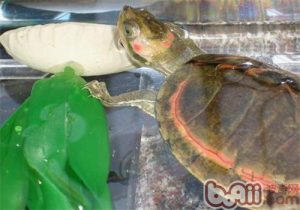
Pink-ringed Tent Turtle
The Pink-ringed Tent Turtle (Pangshura tentoria) is a striking high-domed turtle with pink cheeks and a pink ring around its carapace, but it is delicate, with hatchling mortality often above 80%, mostly from skin rot. Best suited to experienced keepers who can provide stable temperatures and a basking area.