Search Results
1764 results for “antibiotic”
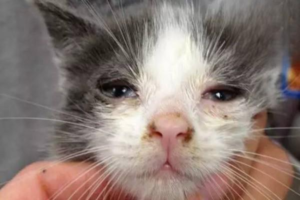
What to Do When Your Cat Has Cat Flu
Cat flu (feline rhinotracheitis) is often mistaken for a cold but is a viral upper-respiratory infection that can kill if ignored, especially in kittens. Antiviral and lysine support plus a clean, low-dust environment are the main care steps.

Can Parvovirus Spread Between Dogs?
Parvovirus spreads readily between dogs through contact, feces, blood, food, and even air, especially where dogs gather like parks and kennels. Puppies show vomiting and bloody diarrhea, so prompt vet care and keeping unvaccinated dogs home are key.

What Causes Parvovirus in Dogs
Parvovirus is a severe, highly contagious gut disease in dogs that spreads by contact with infected feces, blood, food, or air, especially in parks and kennels. Puppies show vomiting and diarrhea that can turn bloody, so fast vet care and rehydration are key.

Dog Coronavirus: Treatment and Recovery
Dog coronavirus spreads through contact with infected feces and causes sudden vomiting, diarrhea, and lethargy, with cases able to relapse 14-21 days after signs fade. Supportive care, vet-prescribed meds, and gut-resting food let most dogs recover, but severe cases need a hospital.

What to Do When Your Dog Has Blood in Its Stool
Blood in a dog's stool can come from something mild like a sudden food change, or from serious issues like gastroenteritis, an intestinal tear, or infections such as parvovirus. Match the cause to the right response, and see a vet whenever the bleeding is severe or unexplained.

What to Do When a Kitten Has Heavy Eye Discharge and Can’t Open Its Eyes
Heavy eye discharge and eyes that won't open in a kitten usually point to neonatal conjunctivitis or feline rhinotracheitis (cat flu), though rich, greasy food can also be the cause. Each needs a different approach: gentle cleaning and antibiotic drops for infection, and prompt vet care plus antiviral support for cat flu. Act early to avoid worse disease.

What to Do When a Puppy Has Pus-Like Eye Discharge
Pus-like eye discharge in a puppy can mean a bacterial eye infection, dehydration from gut or systemic illness, or simply a diet too rich and salty. Match the cause to the treatment: gentle food and vitamins for dietary heat, antibiotic eye drops for infection, and prompt vet care for underlying disease or eyelid problems.

Why Your Dog Vomited White, Sticky Fluid
White sticky vomit can be saliva from food poisoning (chocolate, onion, grapes), a throat obstruction from bones, or a viral infection like parvovirus or distemper. Food poisoning and obstructions are emergencies needing the vet; for viral cases, a vet may use antibiotics plus immune support, with diarrhea and lethargy as warning signs.

Symptoms of Upper Respiratory Infection in Cats
Feline upper respiratory infection (URI) hits the nose and throat and shows as fever, sneezing, watery eyes, runny nose, red eyes, cough, hoarse voice, poor appetite, and sleepiness. Most cases are viral (herpes or calicivirus) and need antibiotics plus vet care; vaccination is the best prevention, especially for kittens.

Kitten With Pus in the Eyes, Can’t Open Them, and Sneezing
A kitten with pus-filled eyes, stuck-shut lids, and sneezing is often fighting feline herpesvirus (rhinotracheitis), not just a cold — and it can be fatal if ignored. Isolate and disinfect the space, give lysine and vet-prescribed antibiotics, and use eye drops for the conjunctivitis. Act quickly, since kittens have little immunity.