Search Results
179 results for “antibiotic therapy”

Sulfonamide Antibiotic Poisoning in Dogs and Cats
Sulfonamide antibiotics can poison sensitive pets or when overused, causing nervous signs, urinary crystal problems and blood-cell disorders such as anaemia. Stopping the drug, flushing the urine and supportive care are the main steps.

Aminoglycoside Antibiotic Poisoning in Dogs and Cats
Overuse of aminoglycoside antibiotics such as gentamicin damages the kidneys and the ear nerve and can block nerve-to-muscle signalling. There is no antidote, so stopping the drug and supporting kidney and nerve function are essential.
My dog’s skin condition won’t heal despite treatment with compound ketoconazole cream, a herbal skin-soothing lotion, B-complex vitamins, and antibiotics (photos attached); it still has red spots, scabs, dandruff, and a slight odor, and I can feel a roughly 1cm hard lump on its chest (photo shows the spot)
Skin disease can't be diagnosed by appearance alone, so if treatment isn't improving or keeps recurring, stop the medication and take your dog to a vet for proper testing. Using the wrong drugs can lead to drug resistance and further damage the skin, so targeted treatment based on a confirmed diagnosis is the best path to recovery.
I don’t want hospital treatment — what medicine can cure it?
Hello, from the test report you uploaded, the cat is positive for Chlamydia, meaning it has a Chlamydia infection. Treatment for feline Chlamydia includes antibiotic therapy, immune-support therapy, and symptomatic treatment. You can give the cat oral or injectable antibiotics such as amoxicillin clavulanate tablets or doxycycline hyclate enteric-coated capsules, but use them under a veterinarian's guidance. At the same time, use nutritional support and IV fluids to boost the cat's immunity and aid recovery. During treatment, isolate the sick cat to avoid infecting other animals.

Suppurative Arthritis in Dogs and Cats: Symptoms, Treatment, and Prevention
Suppurative arthritis is infection of a joint by pyogenic bacteria, either carried in the blood or introduced through a penetrating wound, causing hot, painful swelling, fever, and lameness. Prompt drainage and antibiotic therapy are essential to save the joint and prevent spread; untreated it can rupture through the skin.
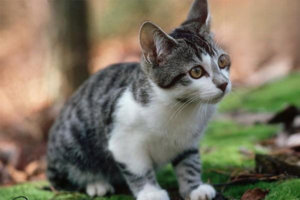
Fever in Cats: Causes and Management
Fever is a reset of the hypothalamic set point that helps the immune system fight infection, whereas hyperthermia is heat overload without a set-point change. Management targets the underlying disease with fluids, antibiotics, and nutrition, using antipyretics only above 41 C because NSAIDs clear slowly and risk kidney toxicity in cats.

What Causes Gingivitis in Cats?
Feline gingivitis usually starts with poor oral hygiene but can also trace to nutritional gaps, a wet or sugary diet, oral injury, calicivirus or herpesvirus infection, or systemic illness such as diabetes and kidney disease. Signs include bleeding gums, bad breath, and redness or swelling; a vet visit, professional cleaning, and antibiotics treat it, while regular brushing is the best prevention.

What Is Canine Campylobacteriosis
Canine campylobacteriosis is caused by Campylobacter, a bacterium commonly associated with diarrhea in dogs, cats, and humans. In recent years, Campylobacter has gone from an obscure veterinary pathogen to a well-known major cause of human enteritis. This article explains what canine campylobacteriosis is.

Symptoms of Bronchitis in Dogs
Canine bronchopneumonia refers to inflammation of a single lung lobule or part of a lobule, also called lobar pneumonia in dogs. Early bronchopneumonia is not difficult to treat and can usually be controlled and cured with daily care and proper medication, with a cure rate above 95%. The disease is mostly caused by cold stimulation, mechanical and chemical factors, infectious diseases, and parasitic infections, leading to acute, non-specific inflammation of the trachea, bronchial mucosa, and surrounding tissue. Its clinical features are cough, wheezing, and crackles on abdominal auscultation. It often recurs acutely in cold seasons.

Symptoms of Cat Pneumonia
Cat pneumonia can be triggered by vitamin deficiency, lowered immunity, colds, or inhaled irritant gases and harmful smoke. Here are its causes, symptoms, and treatment.