Search Results
163 results for “antibiotic bath”

Turtle Cold: Symptoms and Treatment
Turtle colds show as dull eyes, weeping eyes, runny nose, lethargy and white material at the mouth; severe cases develop pneumonia (crusted nostrils, wheezing). Treat by severity — isolation and warmth for mild, antibiotic (gentamicin/oxytetracycline) baths for moderate, and amoxicillin by weight for severe — keeping the enclosure at 30–32°C.

What to Do When a Blood Parrot Fish’s Fins Rot
Fin rot in blood parrot fish is usually caused by poor water quality or injuries from fighting. Here is how to treat it with water changes, medication, and isolation.

Why Does a Parrot Fish Have a White Film Over Its Eyes?
A white film over a parrot fish's eyes is usually cloud-eye disease, caused by poor water quality or injury letting bacteria in, excess nitrogen, or accompanying white-spot disease. Treatment depends on the cause: improve water and raise temperature for mild cases, add antibiotics and salt baths for infection, or treat the underlying white-spot disease.
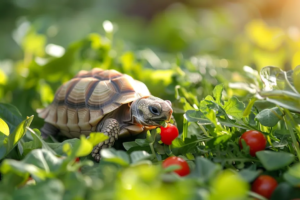
Feeding Precautions to Prevent Enteritis in Turtles
Turtle enteritis has primary causes (poor husbandry) and secondary causes (parasites, liver disease, systemic infection); the primary causes are the easiest to control. The key feeding measures are: avoid hard-to-digest or spoiled food, stop feeding in low or sharply fluctuating temperatures, wait before feeding a newly arrived turtle, and pause feeding during illness—plus feed on a fixed schedule and in measured amounts.

Siberian
The Siberian Forest Cat, shortened to Siberian Cat, has the earliest written records from the 11th century: it was a very common cat in Russian markets and Siberian villages. Living in a harsh country, it is covered in long fur with a thick ruff around the neck. Its outer guard hairs are hard, smooth, and oily, and its dense undercoat resists the Siberian cold.

Nebelung
The Nebelung is essentially a long-haired Russian Blue, a rare variant recognized by TICA in 1987 and hailed as the 'nobility of long-haired breeds.' Apart from its coat, it is identical to the Russian Blue. Quiet, shy, and gentle, yet intelligent and adaptable, it is well suited to calm households.
Today I found red dots on my dog’s belly and near its privates, and a red patch in the groin—could it be eczema or another skin disease, and what medicine should I apply?
Red dots on a dog's belly are often superficial pyoderma or eczema from bacterial infection, usually from a damp environment or lying on wet bedding/floor. Clean the belly with saline, disinfect with diluted peroxide or iodine, then apply an antibacterial ointment such as a pet spray with zinc oxide, twice daily; oral antibiotics or weekly medicated baths help. Use a collar to stop licking and disinfect the environment to keep it dry.
My dog’s leg is injured and the skin is broken
Broken skin, hair loss, and scabs from a superficial wound need iodine disinfection and antibiotic ointment plus a collar. If from skin disease, get a scrape test first.
A raised lump on my cat’s belly with no hair around it; is it ringworm or something?
A red, moist bump on the belly is often bacterial superficial pyoderma or eczema. A skin scraping confirms it; keep the cat from licking and clean and disinfect the area.
Turtle suddenly cannot open its eyes, head and limbs are weak, it stops eating, and the body looks like skin rot
Based on your description, the turtle may have skin rot, eye infection, or malnutrition. Treatment involves medicated baths and clean water, with a vet visit if it does not improve.