Search Results
121 results for “angry cat”
How Do a Cat’s Pupils Change?
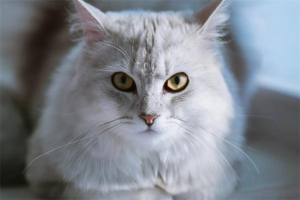
A cat's pupils shift constantly, driven by light, mood, and health. In bright light they narrow to thin slits to protect the retina; in dim light they widen into round openings to gather more light. Emotion plays a role too—pleasure or excitement can shrink the pupils to fine lines, while fear or anger makes them blow up into wide circles, offering a window into how your cat feels. Pupil changes can also signal illness: uneven or misshapen pupils may point to infection or abnormal eye pressure, and warrant a vet visit.

Can Cats Sense Their Owner’s Emotions?
Cats can read our emotions through facial expressions and body language, drawing closer when we are happy and keeping distance when we are angry. They also comfort us with presence, soft paws, and purring. Most cats learn to read us over time, offering quiet companionship.

Do Cats Worry About Their Owners?
Cats do care about and worry for their owners. Long bonding makes them dependent; they sense mood changes and show anxiety when you're low, and may guard you when you're ill. Watch body language—tense posture, tucked tail—and give them love and a stable home.
What does an angry Golden Retriever look like?
An angry Golden may growl softly, puff up fur, stiffen, lower forelimbs, drop the tail, pin back ears, and show teeth; in extremes it may attack. Goldens are gentle and loyal and rarely get angry, but any dog can be provoked when guarding territory, resources, or under attack. Learn their nature and avoid provoking them.
How Does an Angry Golden Retriever Behave?
An angry Golden turns aloof and resistant, may leave, and with ongoing provocation can growl, snarl or show teeth. It may stiffen, raise its tail and glare, taking an attack posture.

What Is a Pet Cat’s Personality Like?
A pet cat's personality varies with mood and environment but is generally more reserved and independent than a dog's. Common types include curious, calm, affectionate, timid-alert, and aloof; pick a breed that matches your own temperament and lifestyle, and observe the cat for a while before deciding.

A Cat’s Physical Features and Behavior
A cat's body has five parts — head, neck, trunk, limbs, and tail — with padded, near-silent paws and sharp retractable claws. Cats are nocturnal, sleep 14–20 hours a day, are independent and fastidious self-groomers, and express mood through their tail and purring.

What to Do When You’ve Upset Your Cat
Cats get annoyed for reasons we often miss. To make up: apologize in a soft voice, fix the trigger (empty bowl, dirty litter), play together, take it for a walk, or offer a favorite treat. Just don't reward a plain tantrum.

Why Does a Cat Arch Its Back?
Many owners wonder why their cat arches its back. This posture can mean a stretch, anger, a developmental issue, illness, a show of bravado, or simply boredom. Here are the common reasons a cat arches its back.
How does a kitten show that it is angry?
An angry cat usually shows 'airplane ears' (ears flattened against the face with tips rotated back). It may also puff up its fur, arch its back, and let out low growls.