Search Results
121 results for “angry cat”

Why Cats Act Up Before Using the Litter Box
Attentive owners notice their cats darting and running around before and after using the box. Owners often complain: 'You just go to the bathroom, why act like going to war?'

Reading Your Cat’s Body Language
A cat's purrs, ears, tail and posture all send messages. From the 'airplane ears' of annoyance to the belly-up trust and the thoughtful 'slow blink', learning these signals helps you understand and bond with your cat.

3 Steps to Stop Your Cat Biting
Cat bites usually start with how owners interact. Playing with hands, missing early training, or forcing cuddles all teach biting. Use toys instead, reward calm play, and respect the cat's limits to stop the habit.

Reading Your Cat’s Emotions Through Body Language
Cats show relaxation, happiness, play, fear, anger, and illness through posture, tail, eyes, and ears. Learning these signals helps you respond calmly and protect both of you.

Understanding Cat Body Language
Many cat owners misunderstand a cat's body language when first keeping one, because cats cannot speak but express feelings through body movements. Owners must learn the meaning of cat body language to better understand their mood.

Cat Body Parts You Shouldn’t Touch Casually
Most cat owners can't resist petting their cat. But cats are proud beings with no-go zones. Today we tell you which parts to avoid.
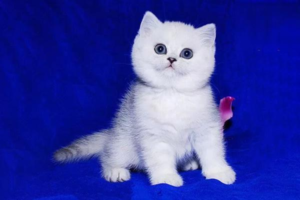
Do You Know Why Cats Wag Their Tails?
Cats do wag their tails, and the tail is a mood barometer: fast flicks mean displeasure, slow sway means a bit angry or hunting, a light slap means unhappy or about to attack, a tiny gentle wag toward you means affection, and a high tail shows confidence while a low one shows fear.

A Guide to Your Cat’s Paws
A responsible cat owner should know not only their cat's daily habits but also its anatomy. Here we explain what cat paws look like, the colors and shapes of the paw pads, and why they matter.

Does a Parrot Fluff Up When It’s Angry?
A parrot fluffs up when startled or threatened, warning others away. But fluffing also signals illness. Learn the common reasons — fatigue, parasites, gut trouble, or a chill.

Why Do Cats Like to Watch You Use the Bathroom
Some owners have experienced a cat watching them use the bathroom—you step in and before you close the door, the cat follows and refuses to leave. You finish under its gaze. At first embarrassing, but you get used to it. So why do cats like to watch? Here is the answer.