Search Results
391 results for “amoxicillin”
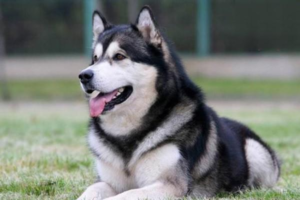
Will a Dog’s Urinary Tract Infection Heal on Its Own
A dog's urinary tract infection usually won't heal on its own and worsens if ignored. Causes include bacterial exposure (urinating in grass, damp fur), a salty/oily diet, holding urine over 12 hours, and poor genital hygiene. Treatment needs a vet: bacterial UTIs use anti-inflammatories like amoxicillin or cefadroxil, with IV fluids and possible stone surgery if needed; poor response may mean antibiotic resistance.

Turtle Colds: Symptoms and Treatment
More people keep turtles as pets now. They are easy to keep but do get sick, and colds are common, so owners should know how to treat one. Here are the symptoms and treatments.

Why Do Aquarium Fish Fight — and How to Stop It
Fish fight because of naturally aggressive breeds (bettas, piranhas, arowanas, flowerhorns), overcrowding, breeding rivalry, bad water (temp/pH swings), food competition, or wrong mixing. Prevent with isolation for bullies, hiding spots, lower density, careful water changes, enough food, and balanced sex ratios; treat injuries with warm clean water and an antibiotic or salt bath.
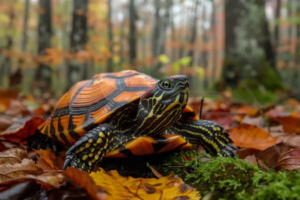
Common Illnesses of Red-Eared Sliders
Red-eared sliders face several common illnesses: white-eye disease (a white film from poor water), gastroenteritis (odd red-green stools), pneumonia (wheezing, head held high), skin rot, calcium deficiency (soft shell), shell rot, and colds. Most trace to water quality and temperature swings, and many respond to antibiotic soaks or ointments plus warmth and sunlight.

First Aid for Common Dog Injuries at Home
At-home first aid for dogs covers scrapes, bites, burns, fractures, and sprains. Clean small scrapes with iodine, control bleeding and disinfect larger wounds, flush burns with cool water, immobilize fractures and rush to the clinic, and ice sprains then rest. Always use an Elizabethan collar and update the rabies vaccine after bites.

Cat Sinusitis: Causes, Symptoms, and Treatment
Cat sinusitis is common, usually from bacteria, viruses, fungi, or irritants, causing sneezing, nasal discharge, congestion, breathing trouble, snoring, red watery eyes, poor appetite, and lethargy. Severe cases show blood-tinged, foul-smelling discharge and may lead to brain complications. Treatment depends on cause and severity: bacterial cases need antibiotics, viral cases antivirals, plus nasal flushing and a cleaner environment.

Listless and Limp Turtle: Understanding Turtle Pneumonia
A turtle that is listless, limp, and refusing food is likely suffering from pneumonia—a serious illness needing prompt veterinary care. Watch for nasal discharge, wheezing, and open-mouth breathing, and treat with antibiotics (gentamicin, amoxicillin, azithromycin) plus warmth and vitamins; prevent it with good ventilation and stable humidity.
My dog has gastroenteritis; how much oxytetracycline should a 20-jin dog take per dose?
Oxytetracycline dosing is by weight, about 12.5 to 25 mg per kg, so 20 jin means about 125 to 250 mg. It is used for respiratory, intestinal, and eye infections, but not all diarrhea; see a vet, and avoid it in allergic, young, or pregnant dogs.
My Rabbit Has a Deep Wound and I Can’t Easily Reach a Vet – How Can I Treat It at Home?
This is a deep purulent wound with dead tissue; home care cannot fully clear it and may worsen necrosis, but if you must, clean, disinfect and dress it twice daily with oral antibiotics. Professional care is safer.
How Long Does Treatment for a Dog’s Respiratory Disease Take?
With timely treatment, respiratory disease generally recovers in about a week, but severe cases may need a month. Symptoms include sneezing, runny nose, cough; causes vary, so diagnose and treat specifically. Bacterial: amoxicillin, cephalosporins; viral: antivirals, sometimes antibiotics to prevent secondary infection.