Search Results
115 results for “ammonia”
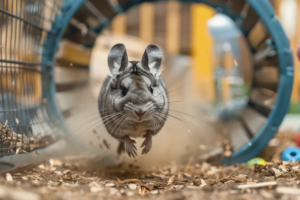
Where Should You Place a Hamster Cage?
A hamster cage belongs in a quiet, dim, well-ventilated spot with stable temperature and humidity, away from direct sunlight and loud appliances. Because hamsters have no sweat glands and are very noise-sensitive, the right location is essential for their health.

Causes and Prevention of Turtle Poisoning
Turtle poisoning comes from toxic plants (pothos, lilies, daffodils), venomous insects, environmental chemicals, or—most commonly—ammonia-nitrogen buildup from poor, oxygen-poor, overcrowded water. Prevent it with toxin-free food and habitat, clean water, sensible stocking density, and a prompt vet visit if poisoned.
How to cool a rabbit in 35C summer heat?
In 35C heat, use air conditioning, a fan, or an air cooler to lower the room temperature and keep the cage in a shady, ventilated spot to prevent heatstroke. Provide plenty of water and avoid overcrowding, which traps heat and builds up harmful gases.

When Your Cat Drinks a Lot — A Kidney Warning Sign
Frequent drinking and large urine are often the first sign of falling kidney function in cats, later joined by appetite loss, weight drop, ammonia-smelling breath, and pale gums from anemia. Early detection and vet care can slow this progressive disease and extend life.

How to Care for a Golden Coin Turtle as a Beginner
A golden coin turtle (Cuora trifasciata) needs a semi-aquatic setup — shallow water just covering the shell, a basking spot, filtration, and steady 25–30°C warmth under a UVB lamp. Feed a varied omnivorous diet in moderation, keep the enclosure clean, and monitor the shell, eyes, and droppings for early signs of trouble.

Does Strong-Smelling Cat Urine Mean Illness?
Cat urine naturally contains ammonia and other compounds, so some odor is normal — especially in unneutered toms, whose pheromone-laced urine marks territory and smells stronger. Diet, water intake, and litter type also affect odor. But a sudden, unusually strong or sweet smell with little urine, frequency, or pain can signal a UTI, stones, or kidney disease; a sweet scent in particular may mean diabetes — see a vet.

Why Does Your Pet Rabbit Smell?
A strong rabbit odor can come from diet, poor hygiene, health problems, or sex differences. To reduce it, manage the diet and living space, clean the rabbit appropriately, and check its health regularly. Most odor comes from urine and droppings, so clean the habitat often to stop them from lingering.

Bad Breath in Dogs and Cats Is Not “Heat”—3 Types to Self-Check
When dogs or cats have bad breath, many owners assume “heat” and reach for cooling teas or herbs—but most pet halitosis is a disease signal, not a temperature issue. A rotten, fishy odor with red gums, tartar, hesitant eating, or drooling points to periodontal disease (over 70% of pets over 3 years); a strong urine or ammonia smell with extra drinking, extra urination, lethargy, and low appetite signals declining kidney function; and a sour, fermented odor with burping, acid reflux, worse on an empty stomach, and soft stool points to gut or liver trouble. Mild breath, teething at 3–6 months, or a meaty diet smell are normal. Severe or symptomatic breath warrants a vet visit—blood and organ checks—not “cooling” remedies.

Dog at 7 Is Like a Human at 50: Early Signs of Senior Dog Diseases
At 7, every dog, large or small, has entered its senior years and organs start declining faster. Studies show kidney filtration drops 12-18% and joint cartilage wears three times quicker after 7. Many early signs get mistaken for "normal aging" and missed. Watch for osteoarthritis (stiff rising, hesitant stairs, liking soft beds), dental disease (red bleeding gums, loose teeth, bad breath, favoring soft food), chronic kidney disease (drinking and urinating more, later ammonia breath and weight loss), and cognitive dysfunction (getting lost at home, night waking, forgetting house-training). These diseases can't be cured, but early action slows them and extends life.

What to Feed a Cat with Poor Liver Function (and What to Avoid)
When a cat's liver is struggling, feed low-burden, high-nutrition food: lean, low-copper proteins (chicken or duck breast), omega-3-rich fish (salmon, cod, sardine), and vitamin-packed vegetables (broccoli, carrot, spinach, pumpkin, blueberry) that aid cell repair. Veterinary liver-prescription diets and a milk-thistle or moringa liver supplement add targeted support. Avoid copper-heavy foods (organ meat, shellfish), high-fat and fried items, sugary or salty treats, and fatty snack packets. Feed small, frequent meals, keep water available, and transition foods gradually. Diet alone is supportive—pair it with a vet's diagnosis and treatment plan.