Search Results
115 results for “ammonia”
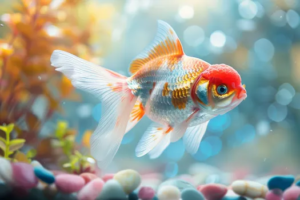
Why Is Your Ornamental Fish Turning White?
When an ornamental fish starts turning white, it is usually a sign of trouble. Common causes include fungal or parasitic infections such as saprolegniasis, neon-tetra disease, or white spot disease; poor water quality with high ammonia or low temperature; unbalanced nutrition; or simply genetics in fish that are naturally pale. Check for lethargy and appetite loss, test and stabilize the water, and feed a proper species-specific diet. If illness is the cause, consult a veterinarian for timely treatment.

Why Cats Rarely Choke on Fish Bones
Cats do get caught by fish bones, but far less often than we might expect. Their tongue is covered with backward-facing papillae that act like little guards, stripping meat from bones and spitting out most spines; any small bones they swallow are smoothed and swallowed with the meat. The cat esophagus also has muscles for easy regurgitation, letting it vomit stubborn bones back up - and even carry food to kittens. Cats love fish because the ammonia smell from protein metabolism attracts them, and fish taurine supports the night vision they need as nocturnal hunters.
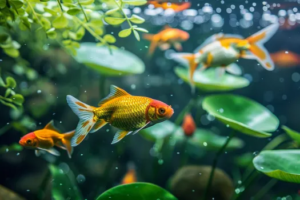
What to Do When Your Goldfish Is Swimming Upside Down
A goldfish floating or swimming upside down is alarming but common, usually caused by poor water quality, overfeeding, low oxygen, cold or fluctuating temperatures, or swim bladder disease. Act quickly to add oxygen and prevent long-term damage from suffocation. Season, temperature, water quality, dissolved oxygen, pH, feeding, and water-change frequency all affect a goldfish's health, so careful husbandry matters. You can relieve mild cases by improving water quality, boosting aeration, and raising the temperature—but if the problem is severe or persists, consult a veterinarian or an aquatic specialist for proper treatment.

Keep These Cleaning Products Away from Your Dog
Household cleaners carry more hazardous chemicals than you think, and they are far worse for dogs. Dogs spend nearly all their time on the floor, touching cleaners directly and absorbing them through paw pads and skin; even off the floor, their keen noses inhale the toxins. Five chemical groups to watch: ammonia (toxic, irritates the respiratory system; in glass/stainless cleaners, floor wax)—seek vet care if ingested. Chlorine/bleach (vomiting, diarrhea, burns, even seizures; in toilet/mold cleaners, detergent). Phthalates (linked to liver, testicular, pancreatic tumors; in nail polish, hairspray, soap, shampoo—avoid in dog toys). Glycol ethers (liver, nerve, digestive harm; in multipurpose/carpet/glass cleaners, hand soap; even 'natural' ones). Formaldehyde (irritates eyes/skin, slows breathing; in perfume, tissues, hand soap, nail polish). Also avoid 84 disinfectant (bleach-based, corrosive, causes chronic rhinitis).

Dog Bad Breath: What It Might Be Telling You
A few minutes with your dog and you may notice bad breath—which can mean more than odor. Causes range from dental or gum disease (check for tartar and red gums) to kidney disease (breath smells like ammonia from waste buildup), ingested toxins (including rat poison—see a vet fast), diabetes (a sweet, fruity ketoacidosis breath), foreign objects (fishhooks, stickers) or coprophagia, oral tumors (grow fast, may necrose and smell; get checked), and diet (dry vs wet food each has pros and cons). Brushing often fixes mild cases, but a serious underlying cause needs professional treatment.
White-face Butterflyfish
The White-face Butterflyfish (Chaetodon mesoleucos), also called the White-face Butterflyfish, has a white face with complex colors behind it, giving the name 'white-face butterflyfish'. Unfriendly to its own kind, it is not suited to gentle community fish.
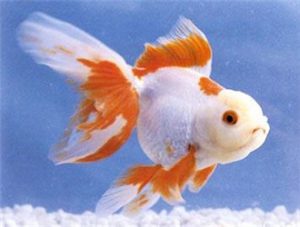
White Oranda with Five Red Fins
The White Oranda with Five Red Fins is a goldfish variety whose body is all silvery-white while each fin is bright red, making it very distinctive and gradually gaining acceptance among goldfish fans.
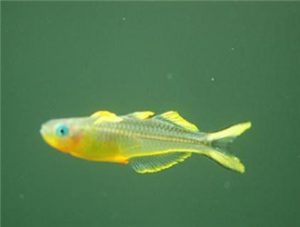
Forktail Blue-eye
The forktail blue-eye is a small rainbowfish with a pale blue-green, semi-transparent body that looks beautiful swimming in the aquarium, so it costs more than other rainbowfish.

Atoll Butterflyfish
The atoll butterflyfish is one of the butterflyfish family, kept as an ornamental fish and not for food. It lives among coral reefs at depths of 10 to 120 meters, and there is no data yet on mixing it with other species.

Lin’s Butterflyfish
The Lin's Butterflyfish resembles other butterflyfish but is named for a black sickle-shaped band, also called Scythe Butterflyfish. Minimum tank 265 liters.