Search Results
120 results for “ammonia”

Why Do Koi Get White Spot Disease (Ich)?
Koi 'white fungus' is really white spot disease, caused by the parasite Ichthyophthirius multifiliis. It spreads through poor water, temperature swings, new fish, overcrowding, or stress, and shows as salt-grain spots, rubbing, and lost appetite. Treat by improving water, quarantining, using ich medication, and raising the temperature to 30–32°C for about a week.

Common Goldfish Diseases and Their Prevention
Common goldfish diseases include white spot (ich), cloudy eye, saprolegniasis, enteritis, fin/tail rot, and dropsy (pinecone disease). Learn these to prevent and lower illness risk. Water quality is the main health factor—keep it clean with regular changes and cleared waste to avoid bacterial growth and infection. Keep temperature steady and oxygen sufficient.

How Deep Should Goldfish Water Be?
Keep goldfish water 30-50 cm deep. Moderate depth aids swimming and growth; too shallow limits space, too deep hinders feeding and breathing. Ornamental types (butterfly tail, dragon-eye) prefer shallower water, active types (ryukin, Thai lion) prefer deeper. Adjust by the fish's behavior and keep water quality and oxygen good.

Goldfish Stress: Symptoms and What to Do
Stressed goldfish lie on the bottom, look unwell, eat and move less, and make more slime; severe cases show body congestion. Respond by fixing water (change, add microbial agent), oxygenating 24h, fasting, and keeping the environment quiet. Prevent with good, stable water, controlled temperature, and safe food.

Possible Causes of Sudden Death in Arowana
Arowanas are hardy, adaptable, and long-lived, so a sudden death usually means the owner missed an underlying illness—the fish was sick, not suddenly fatal. This article analyzes the likely causes of abrupt arowana death.
Why Do Arowana Scales Raise (Pinecone Disease), and How to Treat It
Arowana scale-raising has three causes—handling-related, parasitic, and bacterial—each needing different treatment. Find the real cause and treat accordingly. This article covers the common causes and treatments.

How to Fatten Up Rabbits (Finishing for Market)
Finishing rabbits for market matters because heavier, stronger rabbits fetch better prices. This guide covers grouping, environment control, straight-line finishing, feed choices, disease prevention, and knowing when to ship.

Are Rabbits Sensitive to Cold or Heat? Their Ideal Environment
Rabbits dislike both cold and heat: warm them in winter and cool them in summer. This guide explains their cold and heat tolerance and the ideal temperature, humidity, ventilation, and light for a healthy home.
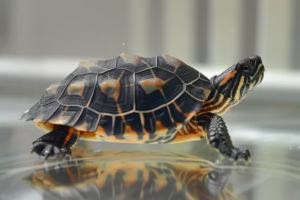
Tips for Keeping a Red-Eared Slider (Brazilian Turtle) at Home
Home-kept red-eared sliders need a healthy hatchling and the right setup. This guide covers choosing a turtle, tank setup, water quality and depth, feeding, and safe overwintering.
No abnormalities, eats normally, just rubs against the tank glass
A gourami (or similar fish) rubbing its mouth and lying on the glass can be from poor water quality, low temperature, low oxygen, or spawning. Bad water (off pH, ammonia, or nitrite, or cold temperature) causes discomfort; low oxygen also triggers it; rubbing during spawning is normal. Improve water, add oxygen, and reduce disturbance - if no other signs, it is usually fine.