Search Results
651 results for “aging dog”

Spaying and Neutering for a Longer Bond
Neutering does more good than harm: it lengthens life by slowing organ aging, cuts cancer risk, and reduces roaming, howling, and fighting. Prepare with fasting and the right timing (after first heat, not during), and care post-op with rest, warmth, wound cleaning, and an E-collar. Males are best done at 7-8 months, females after their first cycle.

Understanding Hypothyroidism in Cats
Feline hypothyroidism means the thyroid gland in the neck does not make enough hormone, slowing the whole body's metabolism. Signs include low energy, poor cold tolerance, slow wound healing, fragile skin, hair loss, weight gain, high blood fat, and anemia. It is an autoimmune disease, hard to prevent, and usually lifelong, managed with daily thyroid hormone pills. It is very rare in cats but common in dogs, and often appears with age.

Why Is My Hamster Losing Fur?
Hamsters have less fur than cats or dogs, but they still shed, and hair loss often points to an underlying health issue. Seasonal molting is normal and the coat regrows quickly. Older hamsters naturally thin out and won't recover even with coat supplements. A poor diet, too few vitamins or unbalanced fats, triggers hormonal imbalance and shedding, so feed quality pellets and limit treats. Cramped cages cause stress and friction hair loss, and skin disease or parasites also contribute; treat parasites with a dewormer made for small pets.

Why Does a Golden Retriever’s Nose Lose Color?
A Golden Retriever's nose can fade for many reasons: too little sunlight, cold weather, aging, genetics, poor nutrition, allergy, or a past injury. Cold-season and genetic fading are normal and need no action, and senior dogs simply show natural aging. But if fading comes from lack of vitamins and minerals or from allergy, step in to prevent bigger problems. Provide sun time, a balanced high-quality diet, and see a vet if allergy is suspected.
Pet CoQ10 Red/Black List Thinking: Reading the Test Data
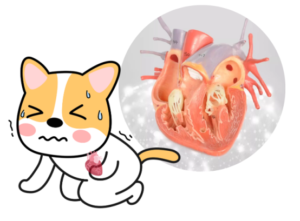
About 10% of dogs and 7% of cats develop heart disease in their lifetime, and the early signs are easy to mistake for normal aging or a cold — until diagnosis, when the damage is often irreversible. CoQ10 is frequently advised, but 'which one' is the hard part. This guide separates the real science from the marketing: what CoQ10 actually does, the drug it cannot replace, and the four hard metrics a product should meet.

When Your Pet’s Heart Is Weak: CoQ10 as Part of the Plan
Heart problems are the quiet killers of pet health — by the time a dog pants after a short walk, coughs at night, breathes from the belly, or shows purple gums, heart failure may already be mid-stage and medication-only. CoQ10 is not a cure, but it is far from a placebo: it powers heart contraction, acts as a strong antioxidant, and declines with age. This guide covers the warning signs, the breeds at risk, and how CoQ10 fits into a real care plan.

Reading CoQ10 Test Data: What ‘Proven’ Should Mean
With so many CoQ10 products making bold claims, the only fair way to choose is to ask three questions: are the ingredients safe, is the content sufficient, and is there authoritative data behind the effect? This guide explains what genuinely 'proven' looks like, what a deeper formula contains, and why the right physical form matters as much as the formula for real-world feeding.

Is Pet CoQ10 Worth It? Separating Real Value from Hype
CoQ10 is sometimes dismissed as a placebo and sometimes praised as a lifespan extender — the truth is in between. Research and owner experience support a real role in heart-cell energy and antioxidant protection, but a large share of products on the market are mislabeled, so 'buying CoQ10' and 'buying one that works' are different things. This guide explains the evidence, the mislabeling problem, and how to judge true value rather than price alone.
Can canine coronavirus heal on its own?
Canine coronavirus generally won't self-heal - the RNA virus keeps replicating and damaging the immune system, causing vomiting, diarrhea, appetite loss, and lethargy, and untreated it can kill via severe dehydration, electrolyte imbalance, or sepsis. The course is about a week with days 2-3 the danger period, so get vet care: mainly IV electrolytes plus symptomatic and antiviral biological treatment.

CoQ10 for Pets: What It Is and How to Choose a Quality Supplement
Coenzyme Q10 (CoQ10) is a fat-soluble compound that helps cells produce energy, and it is concentrated in the heart, kidneys, liver, and brain. As cats and dogs age, their ability to make CoQ10 declines, which is why it is often discussed as a heart-support supplement. This guide explains what CoQ10 does, which pets are most likely to benefit, how to judge a supplement's real quality, and practical feeding tips — so you can make an informed choice instead of relying on marketing claims.