Search Results
651 results for “aging dog”

Managing Dog Hair Loss from Endocrine Imbalance
Endocrine hair loss starts with pigmentation and scaly thin coat, then symmetric shedding on the belly, chest, and thighs. Thyroid, adrenal, or sex-gland disorders are common; treatment uses hormone testing and thyroid supplements.
When is a dog’s aging period?
Dogs enter old age after 7, some large breeds at 5. Aging shows as loose skin, graying fur and weaker absorption.
Cat and Dog Tear Stains: Understanding the Causes and Managing Them at Home
Tear stains are a common frustration for owners of flat-faced breeds and many other cats and dogs. They are rarely a single mystery illness; instead they usually trace back to blocked tear ducts, ear problems, allergies, or diet. The right fix depends entirely on the underlying cause. This guide walks through the main reasons pets develop reddish-brown staining, what each pattern looks like, and the at-home steps—gentle cleaning, ear checks, allergy control, and diet tweaks—that keep stains from returning. Knowing the cause is the first step to clearer, healthier eyes.

Preventing and Managing False Pregnancy in Dogs
False pregnancy mimics real pregnancy, belly and breasts swelling with no puppies, because the unbred dog's hormones misfire. Mild cases settle on their own in two to four weeks, but lingering signs can trigger reproductive disease. Spaying is the only sure cure and also cuts the risk of uterine and breast illness, so for a dog you will not breed, do it early, ideally before the first heat at around six months.
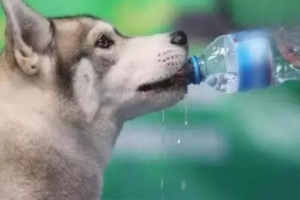
How Much Water Should a Dog Drink a Day?
A puppy needs about 80 ml of water per kg daily and an adult about 100 ml; falling short loads the kidneys and feeds stones and urinary disease. Watch for dry gums, sunken eyes, and dullness as dehydration sets in, and coax drinking with pre-meal sips, walks with water, or a splash of broth.

How to Deal With Dog Odor at Home
Dog odor comes from the dog itself—body odor, lack of bathing, bad breath, ear wax, full anal glands, or skin disease—and from accidents caused by untrained pups, marking during heat, diarrhea from parasites or parvovirus, or aging sphincter loss. Find the source, then improve hygiene (regular baths, weekly teeth brushing, ear and anal-gland care) and use an enzymatic deodorizer that breaks down odors rather than masking them.

The Secrets to Helping Your Dog Live Longer
A dog's lifespan is shaped first by body size—small breeds age slower than large ones—and then by the care it gets, with diet at the center. The core idea is to curb chronic inflammation through food: cut excess omega-6 and starch, and add omega-3, antioxidants, and compounds like sulforaphane and polyphenols that fight cellular aging.

Stop Your Dog from Pulling on the Leash
Leash bolting, or lunging, happens when an under-exercised or off-lead dog suddenly surges ahead and ignores commands. Regain control by staying calm, keeping the lead short, claiming the leadership role, and rewarding the dog for walking at your side.

How to Make Tasty Homemade Meatballs for Dogs
Homemade dog food puts you in control of every ingredient and lets you tailor meals to your dog's health — safer and more nutritious than many commercial diets, and easier to digest. These simple steamed meatballs need just a handful of pantry staples.

How to Clean Your Cat’s or Dog’s Ears
A buildup of ear wax or ear mites usually means cleaning has been neglected. A regular routine keeps the canals clear of dirt and moisture, prevents infection and parasites, and only takes a few gentle steps.