Search Results
651 results for “aging dog”

What Causes Periodontitis in Dogs?
Periodontitis is a common and painful dental disease in dogs, driven by a mix of physical, fungal, bacterial, and metabolic factors. Physical causes include chewing on fish bones, wire, or other sharp objects that injure the mouth, while fungal infections such as Candida or Blastomyces and bacterial overgrowth can trigger necrotizing ulcerative gingivitis. Metabolic problems like diabetes, kidney disease, dehydration, and hypothyroidism also raise the risk. Affected dogs show bad breath, drooling, swollen or receding gums, loose teeth, and sometimes pus. Diagnosis combines an oral exam with dental X-rays, and treatment requires professional cleaning or extraction under anesthesia plus ongoing home dental care.
Signs Your Dog Is Getting Old
A dog's life spans only a little over a decade, and aging creeps in through everyday details rather than all at once. The earliest changes are white muzzles and cloudy eyes, followed by dental trouble, shifting personality, and less stamina. Because organ function declines with age, seniors also show digestive and urinary changes. Spotting these signs early lets you give your older dog the comfort and care they deserve.
Choosing the Best Dog Food for Senior Dogs (Age 7+)
Once a dog turns seven, its metabolism slows, digestion weakens, and organs such as the kidneys, heart, and liver begin to decline — so the right senior dog food matters more than ever. Look for a formula with at least 25% crude protein (30%+ is better), fat held between 8% and 15%, fiber under 9%, starch no higher than 32%, salt under 2%, and a calcium-to-phosphorus ratio of 1:1 to 2:1. Bonus nutrients like glucosamine, fish oil, and probiotics support aging joints, brains, and guts. Prefer wet food for dogs with poor teeth, transition gradually over seven days, and feed smaller meals. For dogs with heart, kidney, or diabetic conditions, a vet-guided prescription diet is safest.

How to Tell If Your Dog Has Internal Parasites
Internal parasites in dogs often cause poor appetite, vomiting, diarrhea, weight loss, dull coat, and itching, and heavy infestations add anemia, rapid breathing, unsteady gait, seizures, or coughing. To confirm, a veterinarian can run a fecal exam, blood test, or imaging such as X-ray or CT to find eggs, larvae, or the parasite's size and location. Prevent infection with good hygiene, regular deworming, and not letting the dog eat waste or raw meat, and treat promptly with the right dewormer if infected.

Daily Hygiene and Disease Prevention for Dogs
Every disease has a cause, and good daily management can remove many of those causes before they harm your dog. The principle of prevention over treatment is central to responsible dog keeping. Food safety, clean living quarters, and a tidy environment are the three pillars that lower the cost of illness.

Why does my dog have black spots on its skin?
Black spots on a dog's skin are usually harmless — they often appear with age as normal pigment deposits (age spots) from metabolic changes. They can also follow a skin infection that damaged the hair follicles, in which case the marks typically fade over time, or result from sunburn in short-coated dogs that spend a lot of time outdoors.
How Much Do Dogs Sleep?
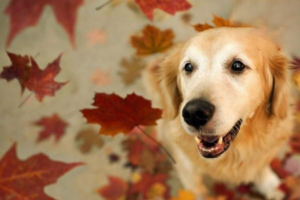
Owners sometimes worry a dog sleeps too long, but sleep is as vital for dogs as for us - short sleep makes them listless by day. Need varies by age: newborns sleep about 22 hours, leaving only meal times awake; around one year they sleep about 14 hours as they grow and play; and senior dogs (six-seven years is middle-aged for a dog) do not sleep less - they need plenty to slow aging. Most of that time is light sleep, and a dog stirring at small noises is perfectly normal, not a problem.
Free-Roam vs Crate: How to Raise Your Dog
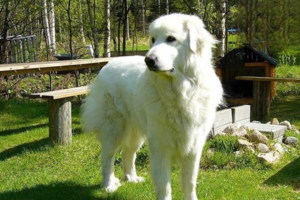
Free-roam and crate raising each have pros and cons. Free-roam gives freedom, better socialization and fitness, but untrained dogs ignore commands, scavenge harmful food and may wreck furniture - and face the risk of being taken. A crate is a safe den that limits destruction and eases training and guest safety, but long-term caging can cause bone issues in growing pups and shy, poorly socialized adults. The right choice depends on your time and situation; many owners blend both, and neither is wrong.

What to Do When Your Dog Has Uveitis
Uveitis is inflammation of the middle layer of the eye, rich in vessels that guard the blood-aqueous barrier, so when it flares the eye leaks protein and cells and can threaten sight. Causes range from injury to immune disease, infection, or tumors, and some cases are idiopathic. This guide explains the signs, diagnosis, and why prompt specialist care matters.

Why a Dog That Stops Moving in Winter May Have Arthritis
As the deep cold of winter sets in, some owners notice their dog no longer wants to go out or play, blaming the weather, but the real cause may be osteoarthritis. OA affects 30 to 50 percent of dogs and cats and is not only age-related; even young dogs can develop it, with breed, age, sex, weight, and genetics all playing a role. It is a whole-joint disease where cartilage breakdown outpaces repair. Signs include less activity, stiffness after rest, painful swollen joints, and irritability. Management combines weight control, sensible exercise, NSAIDs for pain, and therapy with joint supplements.