Search Results
668 results for “affection”
Why is the Husky called ‘Erha’?
Because it looks silly or goofy - though wolf-like in looks, it's a clumsy, destructive, 'playing dumb' goofball. Actually intelligent, just eccentric.
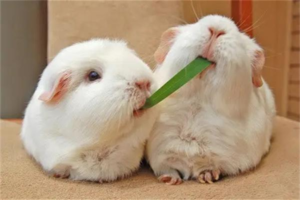
Where Do Guinea Pigs Like to Be Petted?
Guinea pigs enjoy being stroked on the head, under the chin, and behind the ears, with the head between the eyes and crown being the easiest spot to accept. Avoid the back and rear, which are off-limits and may provoke a bite. A newly arrived pig is fearful and should not be handled until it settles; most take 3 to 7 days to adjust, after which gentle head strokes build trust. Once bonded, the pig may run to you, climb into your hand, and become clingy.
Why is it said you shouldn’t shoo away a cat that shows up at your home?
Cats are seen as spiritual animals, and a cat that arrives on its own is said to symbolize incoming wealth - chasing it away might chase away your fortune, which is why the saying exists. True or not, most people can't bear to shoo a cute cat; if it's aloof or looks fierce, just feed it or let it leave, and if it's affectionate and you're able, consider adopting it.
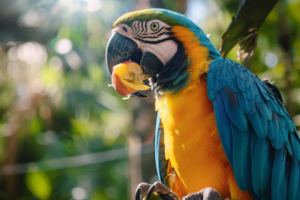
Why Is Your Parrot Refusing to Eat
A parrot that stops eating may be reacting to a new environment, disliking bland or single-note food, feeling stressed or anxious, or being ill. Most adjust to a new home within two to three days; illness brings lethargy, ruffled feathers, vomiting, or long appetite loss and needs a vet. Offer balanced species-specific feed with fruit, vegetables, and grains, give social interaction, and keep the cage clean, warm, and sunny.
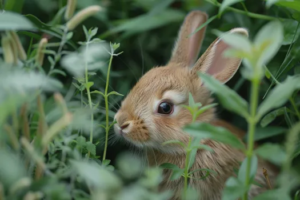
What Breeds of Mini Rabbits Are There
Mini rabbits are the smallest pet rabbits, with upright ears and an adult weight of only 1 to 2 kg and length near 30 cm. The group includes the Polish rabbit, the dwarf Hotot, and the dwarf rabbit (Dwarf), the last splitting into Dutch, French, and English dwarf varieties. Each has its own look and temperament, but all are beloved for their cute appearance and gentle nature. The dwarf Hotot is especially tiny and delicate as a baby.
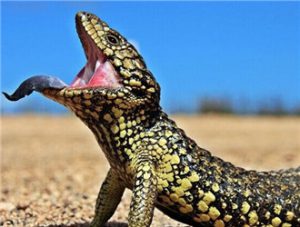
Shingleback (Stump-tailed Skink)
A chunky, short-tailed Australian skink with a face only a keeper could love - slow, long-lived, and surprisingly affectionate.

Razor-backed Musk Turtle
The Razor-backed Musk Turtle (Sternotherus carinatus), affectionately called the 'razor' or 'little razor,' has a uniquely keeled, roof-like carapace. A common and easy musk turtle, it is active and interactive with keepers.

Black Marsh Turtle
The Black Marsh Turtle (Siebenrockiella crassicollis), also called the Siamese temple turtle, is a medium-sized black freshwater turtle from Southeast Asia. Wild numbers are low, but captive-bred individuals now meet demand. An IUCN Vulnerable species, it is not for beginners.

Japanese Macaque (Japanese Pocket Monkey)
The so-called 'Japanese pocket stone monkey' sold in the pet trade is in fact a young Japanese macaque (Macaca fuscata) infant. Wild-caught or illegally traded individuals adapt poorly, carry zoonotic disease risks, and keeping primates as pets is strongly discouraged on welfare and legal grounds.

Plecostomus
The Plecostomus — the 'sucker fish' or 'garbage fish' — clings to glass and plants scraping algae, but it is no miracle cleaner: it eats prepared food, nibbles slow tankmates, and makes heavy waste. A scaleless, salt-sensitive tropical catfish from South America, it needs soft, warm water and lives 8–10 years.