Search Results
668 results for “affection”
The Secret Behind Why Cats Knead
Kneading is a habit cats form as nursing kittens, pressing the mother's belly to draw milk while feeling warm and safe. Many keep it into adulthood as a way to communicate comfort and affection. There's even an evolutionary angle: scent glands in the paws release pheromones during kneading that signal bonding and can calm aggression. When your cat kneads you, stay quiet, don't grab the tail, and let it express its love. This article uncovers the reasons and the gentle way to respond.

Why Does Your Dog Stare at You?
A dog's steady gaze isn't just a stare; it communicates. Your dog may be hoping for a fallen bite, seeking attention, waiting for a command, expressing love, asking for protection, or reading your mood. But a hard stare with tense muscles and a low growl is a warning to look away and back off slowly.

Signs Your Cat Feels Neglected
Cats are sensitive souls, and when they feel short on affection they show it in quiet, telling ways. From carelessness and slipping health to blanket-sucking, constant clinginess, mischief, and separation anxiety, these six behaviors signal a cat craving more of your attention. If life has kept you busy, make time to give that love back.

How to Teach a Dog to Recognize Its Name
The first task after a dog arrives is choosing a name, but at first it doesn't know you're calling it. How do you teach that? Building a close bond and using the name at the right moments, with the right tone, helps a dog learn its name quickly and happily.
What to Do When Your Cat Is Too Aggressive
Unlike dogs, cats won't obey blindly; their independent nature means a small mistake can bring gentle retaliation. Some owners are baffled about how they upset their cat. This article explains what triggers feline aggression, from fear and threat to pain and illness, and how to train a cat out of biting and attacking.
Why Do Cats Knead?
Cat kneading—pushing the front paws rhythmically against a soft surface—starts in kittenhood, when kittens press the mother's belly to stimulate milk flow. Many adult cats keep the habit and knead when relaxed, happy, or seeking comfort. It can also mark territory (scent glands in the paws) or, in intact cats, signal heat. When your cat kneads you, it usually means trust and affection—so don't push it away. This article explains the meanings and how to respond.

How to Avoid Getting Scratched by Your Cat
The core idea is status: if the cat knows you rank above it, it accepts your rules. Trim nails to avoid accidental scratches—do it while the cat is calm, in a quiet room, ideally with a second person offering treats. Keep respect through feeding (don't overfill) and immediate, non-hand punishment for bad behavior. Keep physical and emotional distance during play, use a laser pointer, and train obedience so the cat follows your lead instead of attacking.
Why Your Cat Licks You (and When to Stop It)
A cat that licks you is usually showing love, asking for food or a clean box, marking you with its scent for security, or telling you it's unwell. But the barbed tongue can abrade your skin into red patches, and a cat's mouth carries bacteria including Bartonella (cat-scratch disease, from fleas/ticks), which can pass through tiny unseen wounds. Stop licking promptly, separate the cat at night, or use a scent it dislikes. If licked, wash 15 minutes with soap and running water, disinfect with dilute iodine, and see a doctor for visible breaks—watching for rabies too.
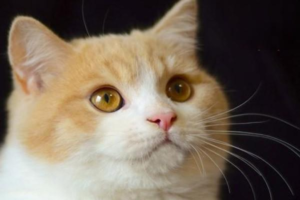
How to Choose a Cat Breed
A 'pedigree' cat is one shaped by planned crosses and recognized by a registry—largely a commercial matter. Common breeds: American Shorthair (sturdy, calm), British Shorthair (round face, sweet), Chinese Li Hua (independent, a great mouser), Siamese (vocal, clever), Persian (long-haired, gentle), Exotic (flat face, prone to breathing/eye issues), Norwegian Forest and Maine Coon (large, adventurous, not ideal strictly indoors), and Ragdoll. Match temperament and your home to the cat, and beware breeds with known genetic problems.

The Hidden Meanings in Your Cat’s Tail
A cat's tail is a rich mood telegraph. A tail held high and quivering while the cat rubs on you is pure trust and affection (it recalls mother cats stimulating kittens to eliminate). A still tail with a hooked tip means content and relaxed; an upward wag while weaving around you is begging like a dog; a low or tucked tail signals fear; a tail sweeping the floor means alert and about to act; a puffed, thrashing tail is a clear 'back off' before attack. When the tail is perfectly still, the cat trusts you most—like family.