Search Results
668 results for “affection”

Why Your Dog Rubs Its Butt on You
A dog pressing its rear against you is a sign of trust and friendship, like a handshake. It may also be marking you as taken to other dogs.

Beagle Hunting Training: Methods and Tips
The Beagle has strong hunting instincts, so training one well requires understanding its habits before any training begins. Owners must be very patient when training a Beagle. This article introduces training methods for hunting with a Beagle.

Why Do House Cats Fight — and How to Stop It
Not every scuffle between household cats is a real fight — many are play or posturing. You can tell a genuine fight by signs like flattened ears and flying fur, and you can reduce conflict by enriching the environment and sharing your attention evenly among the cats.

Reading Hamster Body Language
Hamster body language reveals mood: eating in your hand or climbing on you means trust; squeaking, standing, or rolling onto the back means anger; grooming or relaxed ears means calm; pacing or over-running the wheel means stress; and chewing or hiding can signal discomfort.
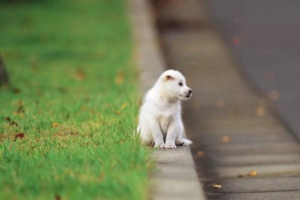
Which Dog Breeds Have the Gentlest Temperaments?
Most dogs are gentle by nature, loyal and intuitive, but breeds differ. Golden Retrievers, Labradors, Samoyeds, Chinese Native Dogs, Alaskan Malamutes, Newfoundlands, and Huskies are among the calmest and most affectionate, with others like Pugs, Border Collies, and Corgis close behind.

Dog Breeds with Pointy Ears
Pointy-eared breeds range from small Spitz and Corgi to large Husky and German Shepherd; two standouts are the people-loving Japanese Spitz and the calm, beginner-friendly Rough Collie. Match the breed to the owner and keep up vaccines and deworming.

Five Ways Cats Show Their Love
Cats are changeable - aloof then clingy - puzzling owners, but they have their own ways to show affection. This article covers them.

Why Does Your Cat Like to Sleep With You?
Cat owners may find a furry guest in bed soon after lying down. This article explains why cats like to sleep with their owners.
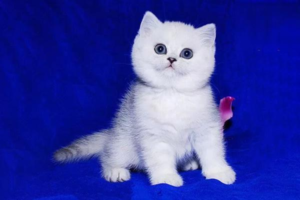
Do You Know Why Cats Wag Their Tails?
Cats do wag their tails, and the tail is a mood barometer: fast flicks mean displeasure, slow sway means a bit angry or hunting, a light slap means unhappy or about to attack, a tiny gentle wag toward you means affection, and a high tail shows confidence while a low one shows fear.

A Guide to Your Cat’s Paws
A responsible cat owner should know not only their cat's daily habits but also its anatomy. Here we explain what cat paws look like, the colors and shapes of the paw pads, and why they matter.