Search Results
80 results for “Yellow bile”

Gastroenteritis in Dogs and Cats: Types, Symptoms & Medication
Gastroenteritis in dogs and cats spans gastritis (acute/chronic) and enteritis (viral, bacterial, parasitic). This guide covers causes, symptoms, and the medication approach—anti-inflammatories, anti-vomiting, anti-diarrhea, dewormers, probiotics—plus prevention.

How Many Times a Day Should a Cat Poop?
Healthy cats defecate regularly; frequency tracks food intake. More food means more stools. Normal range depends on age and condition — here is the analysis.

Symptoms and Treatment of Common Viral Infectious Diseases in Dogs and Cats
Viruses need host cells to multiply, then spread via blood and lymph causing infection. Here are common viral diseases in dogs and cats.

Common Abdominal Diseases in Dogs and Cats: Ascites, Stomach Bleeding and More
Abdominal disease hits the stomach, liver, spleen, pancreas and peritoneum, causing vomiting, diarrhea, pain and fluid buildup. Learn the signs and treatments.
What Causes Jaundice in Cats?
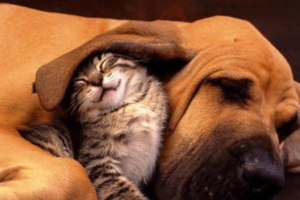
Cat jaundice is usually triggered by anorexia leading to fatty liver, where unmetabolized fat builds up and red-cell breakdown yellows the skin. Treatment centers on getting the cat to eat—passively then actively—plus a bile-acid liver supplement.

How to Read Your Dog’s Vomiting, Part 1: Vomit Color
Dog vomiting is more complex than owners think—problems in the head, chest, or abdomen can all trigger it. Here is how to judge by the color of the vomit.

Preventing and Treating Rabbit Colibacillosis (E. coli)
Rabbit colibacillosis is an explosive, high-mortality intestinal disease, especially in 1–4 month kits. This guide covers symptoms, necropsy findings, diagnosis, prevention, and oxytetracycline/streptomycin treatment.
Common Diseases That Affect Rabbits
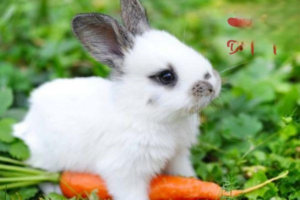
Rabbits are fragile and prone to a few serious diseases: rabbit viral hemorrhagic disease (near-100% fatal, often sudden death), pasteurellosis (fever, runny nose), coccidiosis (gut/liver parasite, high death rate), and colibacillosis (E. coli, fatal diarrhea). This article summarizes each and urges early care.

Symptoms and Treatment of Indigestion in Dogs
Dog indigestion usually comes from improper feeding. Signs include vomiting and diarrhea, abdominal pain with dehydration, and—if gastroenteritis is the cause—a fever. Treat with a 12-hour fast plus pet probiotics, feed on a regular schedule in small meals, and see a vet if it has not improved in 2–3 days.

Rabbit Vitamin A Deficiency
Vitamin A keeps rabbit mucous membranes intact and vision sharp; deficiency, worst in winter and early spring, brings slow growth, weak coat, nerve signs, eye damage (conjunctivitis, keratitis, even ulceration), and in pregnant does premature birth or dead malformed kits. It stems from low-carotene feed, poor gut or liver absorption, or vitamin loss in storage. Diagnose by history, lesions, and plasma vitamin A below 0.2 to 0.3 mg/ml.