Search Results
704 results for “Warmth”

Why Is Your Dog Suddenly Sneezing Repeatedly?
An occasional sneeze is normal, but repeated, continuous sneezing usually means something is irritating your dog's nose or airways. The most common triggers are a cold, allergies, or—less often—a serious infection such as canine distemper. Identifying the cause is the first step toward the right care.

What to Give a Dog That Throws Up Yellow Foamy Fluid
Yellow, foamy vomit usually means an empty, irritated stomach — often a chill or gastroenteritis — and uncontrolled vomiting risks dehydration. Small sips of water, a short fast, and a vet's anti-nausea plan are the safe path; a cold needs warmth, gut inflammation needs a clinic.

How Long Does a Dog’s Cold Take to Heal?
A dog cold usually clears in one to two weeks with warmth, good nutrition, and the right medication — faster with clinic injections. The recovery clock depends on the dog's own immunity, and a cold must not be mistaken for distemper.

Why Is My Dog Sneezing and Has Yellow Nasal Discharge?
A dog that sneezes with thick yellow discharge has a worsening cold, not a minor sniffle, and the case should not be left to drag on. Warm the dog, use only pet-formulated medicine dosed by weight, and head to a vet if a fever appears.

Cold Symptoms in Teddy Poodles: How to Tell
Teddy Poodles often catch colds without the usual sneezing or runny nose, so the clues are subtler — lethargy, lost appetite, heavier breathing, and mood swings. Feeling the nose and inner thigh for warmth is a quick way to confirm a fever before a vet visit.

What to Do When a 2-Month-Old Kitten Has Diarrhea
A very young kitten with diarrhea needs prompt care — its body isn't fully developed and dehydration is a real risk. Stress, a chill, or early gastroenteritis are the usual causes; comfort and warmth help, and a probiotic or a vet visit settles the gut.
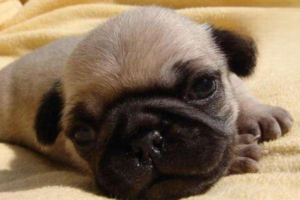
What to Do About a Puppy’s Pus-Like Nasal Discharge
Puppies get runny noses often, and some discharge is normal, but thick pus-like discharge with sneezing, dried mucus, low appetite and sleepiness signals illness. Warm the pup, confirm fever, and treat a cold or respiratory infection; severe cases need the vet.

What to Do When Your Cat Catches a Chill
Cats catch colds easily from baths, seasonal shifts and temperature swings. Treat early to prevent the illness from deepening into something worse. Symptomatic care plus warmth, hydration and good nutrition usually gets a mild case back on track.
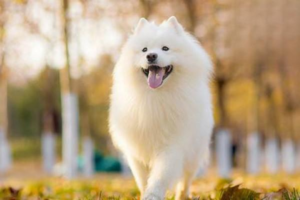
Autumn Care Tips for Your Dog
Autumn means more parasites, bigger temperature swings, coat change, and easy chills. Stay on top of internal and external parasite control, add a warm blanket and balanced nutrition, and keep a probiotic handy for loose stools.

A Winter Care Guide to Keeping Your Dog Warm
Winter warmth is the top concern for dog owners, yet many fall into traps. Meet higher protein needs, keep water and probiotics up, and use rugs, proper clothing for short-coated breeds, and safe sunlight to stay warm.