Search Results
704 results for “Warmth”

What to Do When Your Dog Is Both Vomiting and Having Diarrhea
A dog's fragile gut makes vomiting-plus-diarrhea common, from gut irritation and colds to irregular feeding. Start with an 8–12 hour fast from food and water, then rule out parvovirus, distemper, or coronavirus if unvaccinated and severe. Keep food bland, warm the dog for colds, and train 'leave it' to avoid road food.

Can a Dog’s Vomiting and Diarrhea Heal on Their Own?
Vomiting and diarrhea in dogs usually trace to diet (human treats like chocolate or milk), a chill, or parasites — and most mild cases improve with probiotics, warmth, and deworming. A new-environment stress reaction calms with a one-day fast; persistent or parasite-driven cases need a vet.

How to Treat Dog Diarrhea
A dog's fragile gut makes diarrhea common, and the right fix depends on the cause: parasites, poor feeding, chills, frequent food switches, or infectious disease. Match the treatment to the cause — deworm for parasites, fix the feeding routine, keep warm for colds, and see a vet for bloody stool or nonstop diarrhea, since parvovirus may be involved.

Can You Give a Dog Children’s Cold Medicine?
The answer is no—children's cold granules are not safe for dogs. Human cold medicine mixes ingredients that can trigger allergy or poisoning in dogs, and the dose meant for people does not translate to a dog's body. Use a vet-approved pet cold remedy instead, and keep the dog warm.

Can a Dog’s Cold Spread to People?
A dog's cold cannot pass to humans—canine and human cells and viruses are too different for cross-infection, so there is no need to mask up around a sneezing dog. What matters is treating the dog and remembering that a few other pet illnesses can pass between species.

What to Give a Cat for Fast Relief from Diarrhea
Kitten diarrhea usually traces back to the gut—a bad food switch, a chill, or feline panleukopenia. Matching the cause to the response matters: probiotics and warmth fix many mild cases, while the viral form needs urgent veterinary care with fluids and antibiotics.

What to Do When Your Cat Sneezes and Has a Runny Nose
A cat cold usually starts from a chill, and if it drags on for over a week it needs real attention—left alone it can lead to coughing, dehydration, or low fever. Check the temperature, keep the cat warm, rule out serious illness, and support recovery with food and fluids.
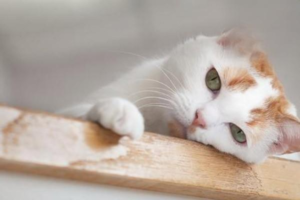
Mild Cat Cold vs. Feline Herpesvirus (Cat Flu)
A sneezing, runny-nosed kitten usually has either a mild cold or feline herpesvirus (cat flu). The mild version clears with warmth and rest; the viral form brings lethargy, poor appetite, and eye discharge and needs isolation plus veterinary care. Telling them apart decides how quickly your cat recovers.

Why Your Kitten Is Sneezing with Eye Discharge
Sneezing with watery, crusty eyes in a kitten can be a plain cold or the more serious feline herpesvirus (cat flu). The distinguishing sign is fever and heavy eye discharge—if those appear, a vet visit is needed. Supportive care at home centers on warmth, immune support, and keeping the eyes clean.

What to Do When Your Golden Retriever Has a Runny Nose
A runny nose in a Golden Retriever can come from something as simple as a nasal irritant or a seasonal cold, or from something more serious like pneumonia. The right response depends entirely on the cause, so matching the treatment to the trigger matters more than reaching for any one medication.