Search Results
704 results for “Warmth”
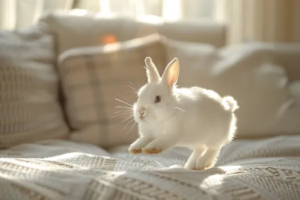
Why Kits Get Chilled and How to Revive Them
Kits get chilled when the nest box isn't ready, the doe births outside it, or a kit is dragged out while nursing. This guide covers the causes and three warming first-aid methods to save a cold kit.
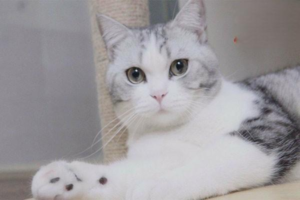
What to Do When a Cat Keeps Sneezing and Sounds Hoarse
Frequent sneezing may signal a respiratory infection that needs prompt, targeted treatment. This article explains why cats sneeze and how to help a cat that is also hoarse.

How to Handle a Cat That Misbehaves
Scolding or hitting a cat teaches nothing and only builds fear—cats don't grasp 'guilt.' Instead, manage the environment (close doors, add scratchers, lid trash), use gentle automatic deterrence, and patiently retrain bed and bad habits.
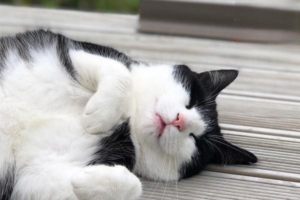
Why Does a Siamese Cat Turn Black?
Siamese cats darken because a temperature-sensitive TYR gene makes tyrosinase overactive below 30C, boosting melanin in cool areas like the face and paws. Shaving only speeds it up; warmth restores the lighter coat. Keep your cat warm to limit darkening.
The Secret of Siamese Cats
A Siamese cat's coat darkens in cool areas because its tyrosinase enzyme is temperature-sensitive, boosting melanin where skin is cool. The fur lightens again in warmth, so color shifts with season and age, a normal trait, not a health problem.

How to Tell Parrot Fluffing from Normal Puffing
Fluffing often means illness, while normal puffing is benign. Tell them apart by head feathers, breathing rate, and droppings. Learn the differences and what to do.
Is My Budgie Dying If It Fluffs Up and Looks Lethargic?
A budgie that fluffs up and looks weak may have a cold from cold weather, with sneezing, diarrhea, and lethargy. Take it to a vet promptly; mild cases can be watched with warmth, glucose, and clean water.
Treatment and Prevention of Infectious Rhinitis in Rabbits
Infectious rhinitis in rabbits is hard to eradicate and easily relapses, so prevention matters most: low density, good ventilation, clean hutches, steady warmth and the Pasteurella vaccine. For outbreaks, florfenicol, tilmicosin or tylosin now work better than the overused penicillin–streptomycin combo.

Common Ear Diseases in Dogs and Cats: Mites, Otitis and Hematoma
The ears are easily overlooked, so wax and debris build up and invite bacterial infection and ear mites. The main ear diseases — ear mites, otitis and ear hematoma — can damage hearing or lead to secondary infection. Routine cleaning, keeping ears dry, and prompt mite treatment prevent most problems.

Common Causes, Symptoms and Treatment of Pet Colds
Pets catch colds easily — usually from chills (season changes, baths, drafts, rain, cold floors) or low resistance. A plain cold can worsen into something serious, so treat it early. Never give human cold medicine (acetaminophen is toxic to dogs and cats); use pet-specific drugs. Learn the warning signs that separate a cold from pneumonia, rhinitis, feline herpesvirus (cat flu) or distemper.