Search Results
3791 results for “Vomiting”

Canine Coronavirus in Dogs
Canine coronavirus is a contagious gut infection causing vomiting and diarrhea, especially dangerous to puppies. There is no targeted cure, so treatment stabilizes symptoms while prevention relies on hygiene and avoiding crowded dog areas.

Why Cats Yowl at Night
Nighttime yowling in cats can signal stress, heat, pain, or illness. This guide explains the common causes and practical fixes—from a calm sleep spot to vet care when other symptoms appear.

How to Support a Cat with a Sensitive Stomach
Some cats have notoriously delicate digestions—the so-called glass stomach—prone to soft stools, diarrhea, and vomiting. The key to managing it is diet. Choose a limited-ingredient, single-protein hypoallergenic food, feed small meals several times a day, and always transition new food over seven days. Pet-specific probiotics (mixed into water below 40°C so the live cultures survive) help rebalance gut flora, while a calm, low-stress home prevents flare-ups. If symptoms persist or worsen, a vet check and possibly a prescription gastrointestinal diet are the right next steps.

What Causes Intestinal Intussusception in Dogs?
Intestinal intussusception in dogs is mainly caused by intestinal stasis, twisting, or prolapse, and playful puppies with big appetites are especially prone. Over-hunger, cold milk, poor food, and cold water can trigger it, as can secondary diseases. Symptoms include vomiting, abdominal pain, and appetite loss; seek veterinary care promptly to avoid a life-threatening blockage.

Why Does My Cat Keep Going to the Litter Box Without Urinating or Defecating?
A cat that frequently visits the litter box—especially a male—may have a urinary issue such as stones, urethritis, or kidney problems, showing as frequent, painful, or bloody urination. Constipation and anxiety can cause similar behavior. Rule out emergencies like blockage and ease stress with a calm, clean environment and more water.

What to Do If Your Dog Swallows a Foreign Object
If a dog swallows something, stay calm and judge the risk. Sharp, long, magnetic, corrosive, or battery items, or any with pain, vomiting, or breathing trouble, need immediate vet care. Do NOT induce vomiting blindly—it can cause further injury. Small smooth items with no symptoms may pass at home.
Why Don’t Cats Catch Mice Anymore?
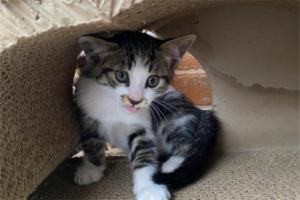
Modern pet cats often ignore mice because their lifestyle has changed. Well-fed house cats have a weaker hunting drive, prefer tender wet food, and may lack exposure to or energy for hunting, especially as they age.

What to Do When a Pregnant Rabbit Stops Eating
A pregnant rabbit may stop eating due to hormonal changes, uterine pressure, environment, or diet. Observe for other symptoms; try fresh produce, hay, clean water, and a quiet space. If appetite doesn't return or other signs appear, see a vet. (Note: reduced eating right before birth is normal.)
Will a Cat Pass a Swallowed Object on Its Own?
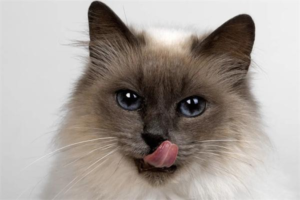
A cat may pass a small, smooth object, but larger or oddly shaped items can block the gut and cause serious harm. Watch for poor appetite, lethargy, vomiting, drooling, or belly pain and see a vet; diagnosis may use endoscopy or X-ray, with treatment from monitoring to surgery.

What to Do When Your Cat Vomits at Night
If your cat vomits at night, stay calm and watch its mood, stool, fever, and blood. Mild cases may pass; persistent or worsening signs (poisoning, acute gastroenteritis, kidney disease) need a vet. Withhold food during frequent vomiting, offer clean water, then reintroduce bland food.