Search Results
2439 results for “Vitamin B”

What Foods Help Goldfish Grow and Develop?
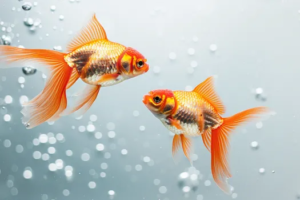
Goldfish are omnivorous—they eat live animal food, plant matter, and prepared pellets. Live foods include bloodworms, daphnia, cyclops, paramecium, mosquito larvae, tubifex, mealworms, yellow mealworms. Plant foods: aquatic plants, algae, duckweed, tender greens, fruit. Newly hatched fry take boiled egg yolk, brine shrimp eggs, infusoria; ages 1–2 months mainly animal food; after 2 months, prepared food plus some animal/plant food.
Goldfish Habits and Types
Goldfish are lively but gentle, omnivorous, and easy to school - but watch density to avoid fouled water and low oxygen. They are cold-blooded and can't take sudden 5C+ swings; best growth is 20-28C, and they like slightly alkaline water (pH 7.5-8.0). Main types: grass, wen, dragon (pop-eye), and egg (no dorsal fin).

What to Feed a Cat for a Glossy Coat
Improve a dull coat with food rich in essential fatty acids (fish, flaxseed, or olive oil), vitamin A, vitamin E, and zinc, plus high-quality protein like chicken, fish, and turkey - hair is mostly protein. Also groom regularly, keep good water, exercise, sleep, and sun, and see a vet if it doesn't improve.

What Happens If a Cat Eats Raw Egg?
An occasional raw egg usually causes no big problem, but a cat's gut can't digest it well and it may bring bacteria or parasites, so avoid raw egg. Feed only cooked yolk, not white (hard to digest even cooked). Yolk benefits coat, vision, immunity, and blood, but limit to 2-3 a week; obese, kidney-diseased, or allergic cats should avoid eggs entirely.

What to Do When a Rabbit Eats Only Pellets and Refuses Hay
Rabbits need hay for fiber, gut health, and teeth grinding. Refusal comes from taste preference, new environment, or poor hay quality. Fix it by cutting pellets gradually, offering varied hays (alfalfa, timothy, etc.), and keeping hay fresh. Watch intake, weight, and droppings.

Why Do Goldfish Get Enteritis?
Dirty food, overfeeding, poor water, and bacterial infection are common causes. Early signs are lethargy, slow movement, and refusal to eat — often treatable with water change, salt, and warmth. Mid-stage shows a protruding, red, swollen vent and darkened body, needing nitrofurazone baths. Late stage may fill the abdomen with mucus and needs antibiotics or metronidazole with furazolidone.

Which Fruits Can Hamsters Eat? Can Hamsters Eat Oranges?
Hamsters are omnivores that can eat many foods, but too much fruit causes diarrhea, and some fruits are too acidic or sugary to be safe. This article lists the fruits hamsters can enjoy and the ones to avoid, including why oranges are off the menu.

Why Won’t My Cat Eat Meat? What to Do When a Cat Eats Only Kibble and Refuses Meat
Cats are obligate carnivores that depend on meat for essential nutrients such as taurine, yet some refuse meat and accept only kibble. This article explains why a cat may turn away from meat, whether an all-kibble diet is sufficient, and practical steps to reintroduce meat safely.
Why Is My Hamster Losing Fur on Its Belly, and What Helps?
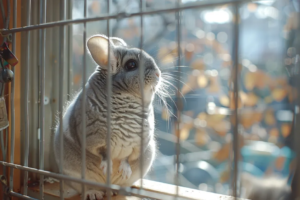
Belly fur loss in hamsters is usually caused by a skin condition from a fungal, bacterial, or parasitic infection, but poor nutrition or abrasive bedding can also be to blame. This article covers the common causes and the practical steps and treatments to help the fur grow back.

Causes of Non-Regenerative Anemia in Dogs
Non-regenerative anemia in dogs stems from nutritional deficiency, chronic disease, bone marrow problems, or tumors that stop new red blood cells from forming. Diagnosing the underlying cause guides treatment and recovery.