Search Results
2436 results for “Vitamin B”

Can a Cat’s Respiratory Infection Heal on Its Own?
Most cat respiratory infections do not clear up on their own. Bacterial or simple colds may self-resolve thanks to the cat's immunity, but the common viral causes — herpes (rhinotracheitis) and calicivirus — require treatment. See a vet; at home, vet-prescribed antibiotics plus lysine help, and isolate the cat since these viruses spread fast.

How to Treat Red Bumps on a Labrador
Red bumps on a Labrador usually come from mites, fungal infection, vitamin deficiency, or poor coat care — not random, and good hygiene prevents most. Treat the specific cause, feed a bland diet, keep the dog cool and the environment disinfected, and see a vet for widespread bumps.

How to Treat Mite Skin Disease in Dogs
Mite skin disease keeps coming back because the mites live in the environment as much as on the dog. Treatment means medicating the affected spots, deep-cleaning the home, and boosting the dog's immunity—prevention through diet, parasite control, and limited contact with strays is what stops recurrence.

What to Do About Ringworm on a Kitten’s Ears
Ringworm on a kitten's ears shows up as scaly patches and local hair loss, and the itch drives the kitten to scratch and hurt itself. Isolate the cat, clean the spots, and support its immunity — and use an Elizabethan collar so scratching does not make things worse.
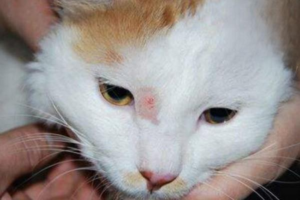
How to Tell If Your Cat Has Ringworm
Ringworm shows up as patchy hair loss with red, irritated skin and itching. Start by checking the ears, since that damp area is a favorite spot, and watch whether the bare patches keep spreading — expanding lesions mean it is time for a vet visit.
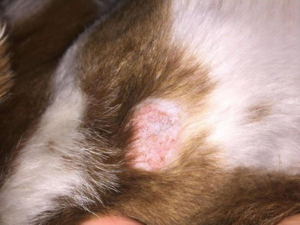
Can Dog Fungal Infection Be Cured?
Yes — fungal infection (dog ringworm) is curable but stubborn, so treat at once to stop it spreading. Isolate, collar, disinfect with povidone-iodine, apply antifungal ointment and spray, and keep the environment clean.

What to Do When Your Dog Has Ringworm on Its Face
Ringworm on a dog's face causes hair loss, itching, bumps, scabs, and redness, and spreads to other pets — isolate and collar the dog first. Disinfect, clip and treat the spot with antifungal spray and ointment, and add nutrition and parasite control.
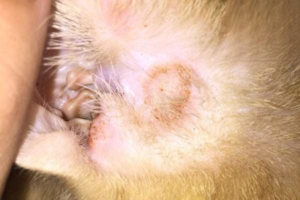
Fungal Infection in a Cat’s Ears
Ear fungus in cats shows up as scabs, hair loss, redness, flaking, and red patches, usually with relentless scratching. Clean the area, apply an antifungal spray and ointment, and disinfect the environment to stop it spreading.

Juicy Feeds That Boost a Doe’s Milk
Lactating does make more milk on succulent feeds — beet, carrot, sow thistle, and pumpkin each bring specific nutrients and a daily portion. Wash and chop them, avoid dew-wet or un-drained leaves, and clear leftovers so nitrates do not build up and poison the doe.

Mouth Ulcers in Rabbits
Rabbits with mouth ulcers develop small blisters, red swollen gums, drooling, and bad breath, and the pain makes eating difficult. Softening the diet, keeping the mouth clean, and offering chew toys to wear down overgrown teeth all help the ulcers heal. Because a rabbit's teeth grow continuously, unchecked overgrowth can lacerate the oral tissue and trigger the ulcers in the first place.