Search Results
2436 results for “Vitamin B”

How Inflammatory Bowel Disease in Dogs Is Diagnosed
There are many causes of IBD in dogs, such as ordinary enteritis from improper diet, parasite-driven enteritis, and viral enteritis that generally needs antiviral treatment. This article explains the in-depth diagnostic workup used to confirm IBD.

Why Hair May Not Grow Back After a Fungal Skin Infection
After a fungal skin infection clears, hair may stay thin because the follicles were destroyed, or simply because the skin is still healing. Good nutrition with B vitamins supports regrowth, but scarred follicles may never recover.

How a Cat’s Eyes Change Between Day and Night
A cat's pupils shrink to vertical slits in bright daylight and widen into large circles at night to gather more light. Eye color stays the same around the clock. Good daily habits help prevent eye disease.

What to Do When Your Cat’s Eyes Are Inflamed and Tearing
Red, tearing eyes are common in cats, usually from bacteria irritating the conjunctiva. The cause matters: simple conjunctivitis often settles in a few days, while viral infections like calicivirus or herpes need targeted care. Match the treatment to the underlying cause.

Coat Care That Keeps Your Cat’s Fur Smooth and Shiny
A cat's coat reflects daily diet and care. Poor food, old age, or too-frequent washing dulls the fur, while quality food, a gentle shampoo, and the right vitamins bring back shine and softness.

What to Use for Mites on Your Dog
Mites strike when seasonal dampness and missed deworming line up, and the condition is contagious and quick to relapse. Isolate the dog, treat with vet-guided medication plus a medicated bath, and keep the environment dry and disinfected.

Post-Surgery Recovery Care for Your Dog
After an operation a dog is fragile and needs careful nutrition, soft easy meals, and real rest. A recovery supplement, balanced food, and limited activity help the incision heal and the dog bounce back.

How to Treat a Cat’s Fungal Skin Infection
Cats get fungal skin infections when their skin barrier is weak, from warm indoor air, play wounds, contact with infected cats, or low immunity. Treatment means clipping and medicating the spot, stopping licking, and boosting nutrition until it clears.
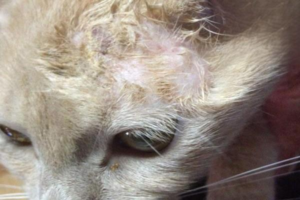
How to Make Ringworm (Cat Fungus) Heal Faster
Cat ringworm is a common fungal skin disease, usually from poor grooming and a dirty environment, causing intense itching and patchy hair loss. Treatment combines shaving and medicated baths with topical antifungals and oral medication for faster recovery. Prevention hinges on cleanliness, sunlight, good nutrition, and not over-bathing.

How to Treat Fungal Skin Infection in a Puppy
Fungal skin infection in puppies is common, slow to clear, and easy to confuse with other conditions — poor nutrition, a dirty environment, or careless grooming all raise the risk. Signs include circular hair loss, scaly patches, pimples, and relentless scratching. Treat with medicated baths, an antifungal spray, and a repair ointment, while boosting nutrition and keeping the environment clean.