Search Results
2444 results for “Vitamin B”

Home’s Hinge-back Tortoise
The Home's Hinge-back Tortoise (Kinixys homeana) is a shy, high-difficulty African tortoise known for its hinged rear carapace and a 90-degree rear shell drop. It prefers warm, humid conditions with ample shade and a varied omnivorous diet, but is prone to stress-induced sudden death, so it is not recommended for beginners.
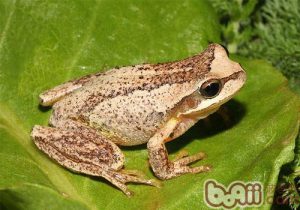
Brown Tree Frog
The Brown Tree Frog (Litoria ewingii) is a small, highly adaptable hylid frog native to southeastern Australia and introduced to New Zealand, classified as a species of Least Concern. It breeds year-round—peaking in summer after rain—and is known for its distinctive whistle-like call and brown body marked with two black stripes.

Gopher Tortoise
The Gopher Tortoise (Gopherus polyphemus) is a burrowing land turtle of the southeastern United States, strictly herbivorous and protected by law due to its small wild population. Famous for digging deep burrows (11–15 m), it needs a dry, sandy outdoor enclosure with plenty of sunny space.
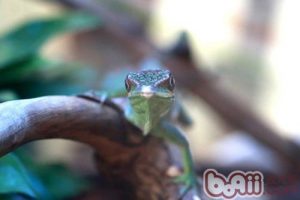
Green Anole
The Green Anole (Anolis carolinensis) is a small, tree-dwelling lizard from the southeastern United States and Caribbean, famous for changing color between green and brown, earning it the nickname 'American chameleon.' A diurnal, insect-eating pet that is easy to keep in a planted terrarium with heat and UVB.

Philippen’s Stripe-necked Turtle
Philippen's Stripe-necked Turtle (Ocadia philippeni) is a large striped-neck turtle endemic to Hainan, China, resembling the Chinese stripe-necked turtle but with a larger carapace. Sensitive to temperature swings, it is omnivorous and fairly easy to keep, though wild individuals are scarce and often mislabeled as the Chinese stripe-necked turtle.

Tiliqua nigrolutea
The blotched blue-tongued skink (Tiliqua nigrolutea) is found in southeastern Australia and Tasmania, feeding on insects, land snails, flowers, and fruit. A terrestrial skink that adapts well to captivity, it needs a temperature gradient of 22-32 deg C and humidity of 50-80%.

Dyscophus antongili
The Antongil Bay Tomato Frog (Dyscophus antongili) is native to the east coast of Madagascar and feeds on insects. Restricted to a narrow range and threatened by habitat loss and poaching for the pet trade, it is listed under CITES Appendix I. Wild individuals come in red (females) or yellow (males), so choose a female if you want a red 'tomato'.

Physignathus lesueuri
The Australian Water Dragon (Physignathus lesueuri) is a docile, medium-sized lizard that enjoys swimming, making it an ideal choice for keepers who want a gentle, aquatic reptile. Closely resembling the Green Iguana but lacking the large rounded scales on the cheeks, it thrives with proper care and can live 10-20 years or more.

Tomato Frog
The tomato frog (Dyscophus guineti) is a brilliantly red, frog-shaped amphibian from Madagascar's eastern coast. Despite its looks, its skin secretes a painful defensive toxin, and it thrives in a humid, mostly terrestrial setup fed on crickets and other insects.
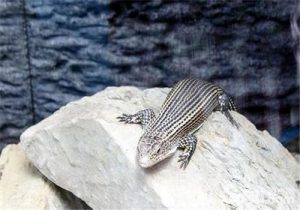
Armadillo Lizard
The armadillo lizard (Cordylidae) is a hardy, diurnal lizard from the dry savannas of eastern and southern Africa, reaching up to 48 cm. Omnivorous and relatively easy to keep, it needs a dry enclosure with UVB lighting, a hide, and a varied diet of insects and greens.